Articles / Agrochemicals / insights / Water reuse
Impact of Livestock Operations on Water Quality
Impact of Livestock Operations on Water Quality
May 20, 2026
Impact of Livestock Operations on Water Quality
Modern livestock operations are a major contributor to global food production, but they also represent a significant source of water pollution. Intensive animal farming generates large volumes of manure, wastewater, veterinary pharmaceuticals, hormones, and feed additives that can enter rivers, groundwater, and coastal ecosystems. Among the most concerning contaminants are micropollutants, antibiotic residues, and endocrine-disrupting chemicals (EDCs), all of which can adversely affect aquatic ecosystems and human health even at very low concentrations.
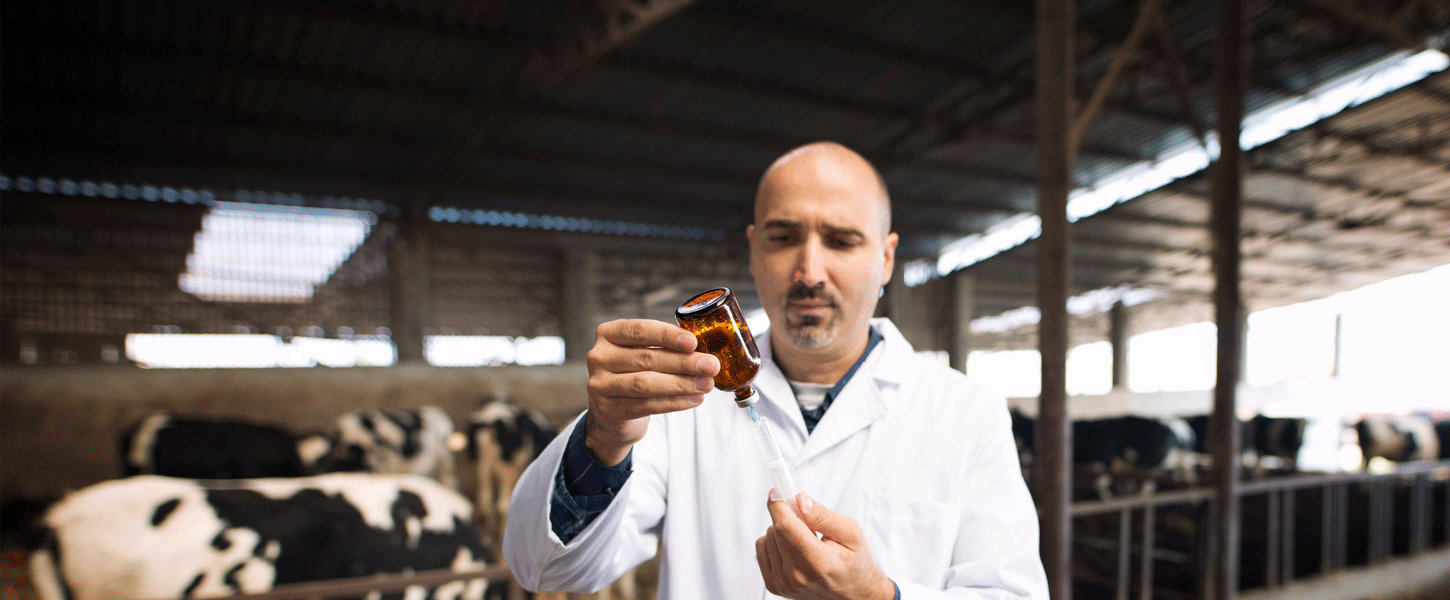
Antibiotic residues are among the most extensively studied contaminants from livestock production.
Livestock and Water Quality
Livestock wastewater contains a mixture of organic matter, nutrients, pathogens, and chemical contaminants. While conventional pollutants such as nitrogen and phosphorus have long been recognised for causing eutrophication and oxygen depletion, attention has increasingly shifted toward emerging contaminants. Micropollutants are substances present in trace concentrations, often measured in micrograms or nanograms per litre, yet capable of exerting substantial biological effects. In livestock systems, micropollutants include veterinary drugs, hormones, pesticides, disinfectants, heavy metals, and metabolites derived from animal excreta.
Pollutant Pathways
One of the principal pathways through which these pollutants reach water bodies is manure application on agricultural land. Rainfall and irrigation can mobilise contaminants through surface runoff and leaching into groundwater. In concentrated animal feeding operations (CAFOs), accidental lagoon overflows and inadequate waste storage systems further increase contamination risks. Because many micropollutants are chemically persistent, they can survive wastewater treatment and remain biologically active in aquatic environments for extended periods.
Antibiotic residues are among the most extensively studied contaminants from livestock production. Antibiotics are widely used in animal agriculture for disease treatment, prevention, and historically for growth promotion. A substantial proportion of administered antibiotics is excreted unmetabolised in urine and faeces. These residues can contaminate nearby water systems when manure is improperly managed.
The presence of antibiotic residues in water is particularly concerning because it contributes to the development of antimicrobial resistance (AMR). Environmental exposure to sublethal concentrations of antibiotics creates selective pressure favouring resistant bacteria. These resistant microorganisms and resistance genes can spread through aquatic ecosystems and potentially reach humans via drinking water, food chains, or recreational water exposure. Consequently, livestock-derived antibiotic contamination is now viewed not only as an environmental issue but also as a major public health challenge. Furthermore, antibiotics may disrupt microbial communities essential for nutrient cycling and ecological balance in freshwater systems.
Endocrine Disrupting Chemicals
Another critical concern associated with livestock operations is the release of endocrine-disrupting chemicals (EDCs). EDCs are compounds that interfere with hormonal systems in animals and humans. In livestock farming, natural hormones such as oestrogen, progesterone, and testosterone are excreted by animals, while synthetic hormones may also be used in some production systems to enhance growth efficiency. These substances can enter aquatic environments through manure runoff and wastewater discharge.
Even at extremely low concentrations, EDCs can produce biological effects in aquatic organisms. Studies have shown that exposure to oestrogenic compounds can lead to reduced fertility, altered reproductive behaviour, and developmental abnormalities. Chronic exposure may disrupt entire aquatic food webs by affecting species reproduction and population dynamics. Some EDCs are also bioaccumulative, meaning they concentrate within organisms and magnify through trophic levels.
The environmental fate of micropollutants, antibiotic residues, and EDCs depends on factors such as chemical structure, soil composition, temperature, microbial activity, and hydrological conditions. Some compounds strongly adsorb to sediments, while others remain dissolved and mobile in water. Their transformation products may sometimes be more toxic than the parent compounds, complicating risk assessment and regulatory control.
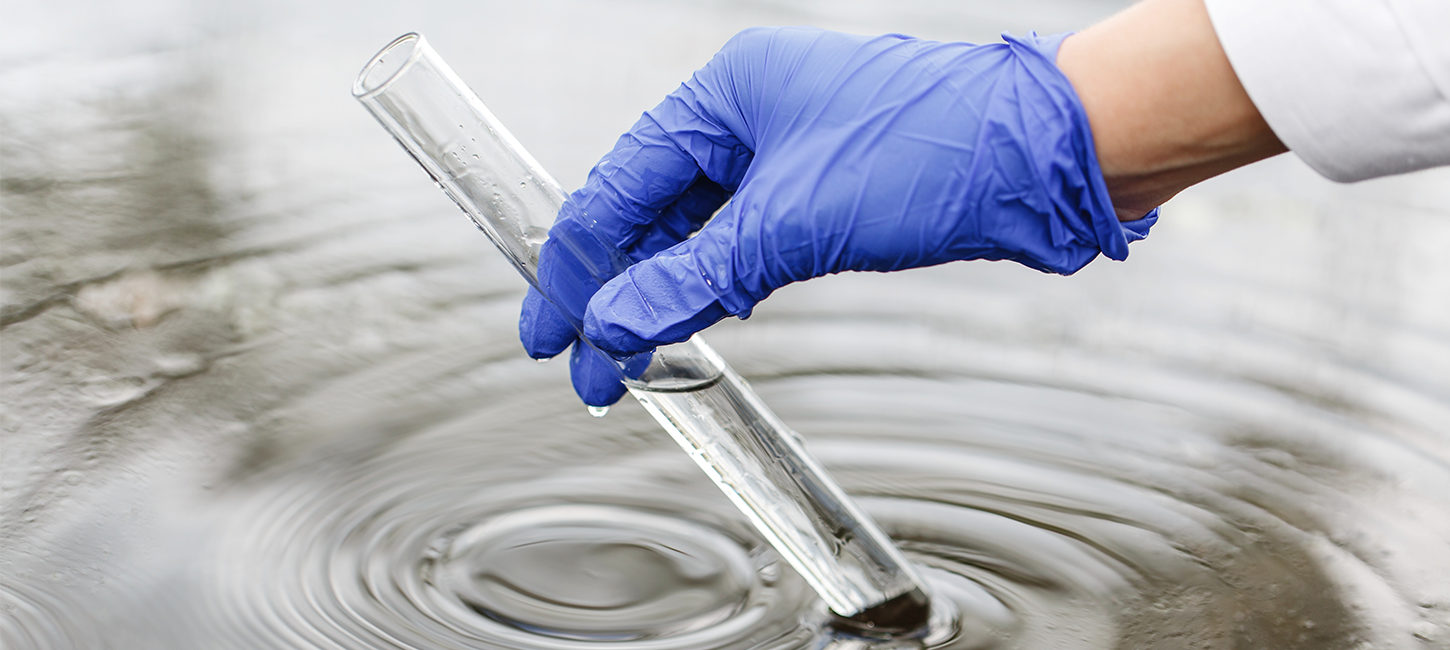
Livestock wastewater contains a mixture of organic matter, nutrients, and chemical contaminants.
How Arvia can help
Arvia Technology provides advanced wastewater treatment solutions for the animal health and veterinary pharmaceutical manufacturing sectors. Their electrochemical oxidation systems safely remove and destroy persistent organic pollutants like antibiotics, hormones, steroids, and active pharmaceutical ingredients (APIs) from industrial effluents without producing toxic sludge.
In addition, their Nyex Rosalox™ water treatment system removes organic contaminants, such pesticides, insecticides and herbicides from wastewater by means of adsorption and electrochemical oxidation. Adsorption involves a substance adhering to the surface of another substance. The process is very energy-efficient and environmentally friendly. Moreover, no toxic sludge or secondary waste is produced, which means that incineration or disposal of the solid waste is no longer necessary.
Conclusion
In conclusion, livestock operations significantly affect water quality through the release of micropollutants, antibiotic residues, and endocrine-disrupting chemicals. Although often present at low concentrations, these contaminants can produce serious ecological and public health consequences. Sustainable agricultural management and improved pollution control measures are therefore critical to protecting freshwater resources and maintaining ecosystem integrity.
More featured articles
03.30.2026
This blog evaluates micropollutants in agriculture and why removal is essential for sustainable food production and environmental protection.
03.18.2026
This article discusses the threats of PFAS in agriculture and how these forever chemicals are entering the food chain.
04.15.2026
This article examines the overuse of veterinary drugs and pesticides in agriculture, and the wastewater challenges they create.
Our wastewater treatment expertise
Our water technology can be used to treat a variety of water treatment applications. Once we understand the nature of your wastewater and your final water quality target, our water treatment specialists can make recommendations as to how best to treat your water. Take a look at some of the Nyex applications here:
Need help? Speak with an expert