Articles / Agrochemicals / insights / Water technology
Tackling Micropollutants in Agriculture Irrigation Water
Tackling Micropollutants in Agriculture Irrigation Water
March 30, 2026
Tackling Micropollutants in Agriculture Irrigation Water
Access to water is a pressing issue, with many areas facing unprecedented scarcity. Efficient management of water resources is essential for food production, economic growth, and community health. Agriculture’s substantial freshwater use highlights the urgency to find innovative solutions like reusing treated wastewater for irrigation. This not only mitigates stress on freshwaters but also promotes sustainable practices. However, vigilance against micropollutants in irrigation remains crucial as they threaten both ecosystems and human well-being.
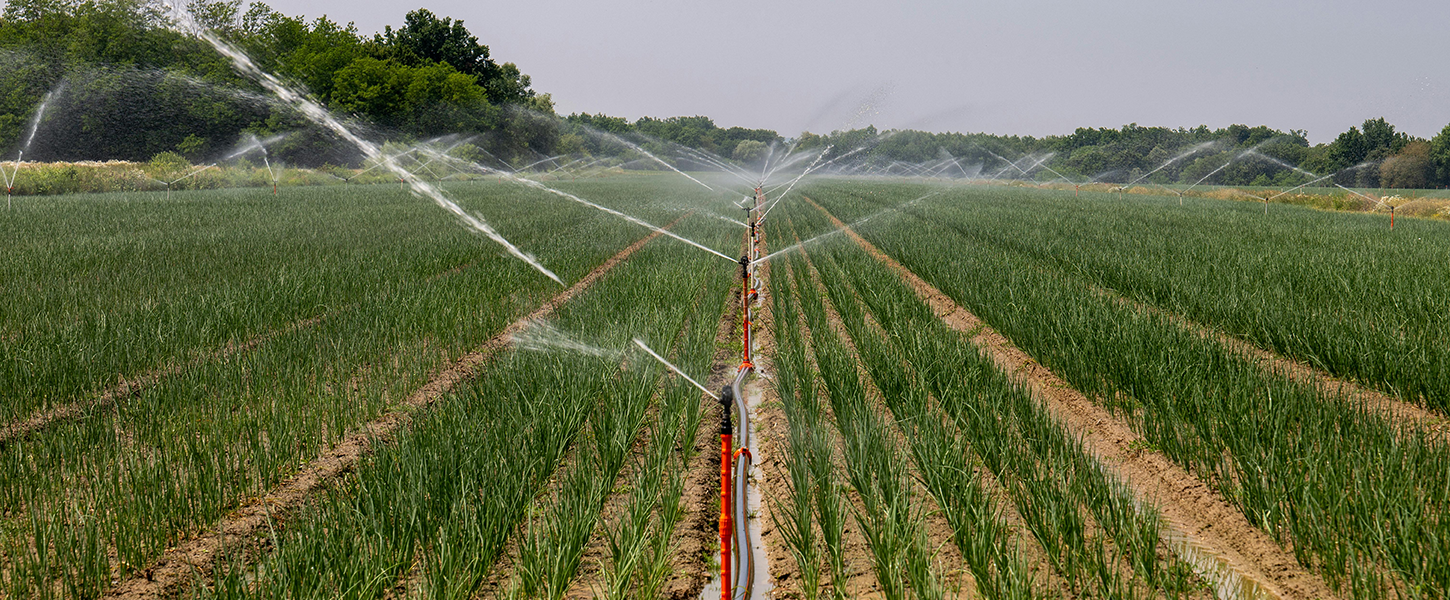
In the quest to ensure food security and sustainable agricultural practices, the use of water for irrigation plays a pivotal role.
Micropollutants in Agriculture Irrigation Water
Access to water is a major challenge and, in many regions, water is now scarcer than ever. With demand increasing, managing water resources efficiently is vital for ensuring global food production, economic development, the well-being of communities, and for preserving our ecosystems.
Agriculture currently uses 70% of global freshwater. As populations grow, more land will be required for farming to meet global food demands putting water resources under even greater stress. Reusing treated wastewater to grow crops could ease this pressure while encouraging sustainable management of freshwaters.
In the quest to ensure food security and sustainable agricultural practices, the use of water for irrigation plays a pivotal role. However, the presence of micropollutants in irrigation water is a growing concern, posing potential risks to both environmental and human health.
What Are Micropollutants?
Micropollutants are trace-level contaminants found in water sources. These can include pharmaceuticals, personal care products, industrial chemicals, pesticides, and hormones. Despite their low concentrations, typically in the microgram per litre range, they can have significant ecological and health impacts due to their persistent and bioaccumulative nature.
Sources of Micropollutants in Agriculture
Industrial and Domestic Wastewater: One of the primary sources of micropollutants is the discharge from industrial and domestic wastewater. Wastewater treatment plants often struggle to completely remove these contaminants, leading to their introduction into water bodies used for irrigation.
Agricultural Runoff: Pesticides and fertilisers used in agriculture can contribute to micropollutant levels. Runoff from agricultural lands often carries these substances into nearby water sources.
Atmospheric Deposition: Micropollutants can also enter water bodies through atmospheric deposition, where pollutants in the air are deposited onto land and water surfaces.
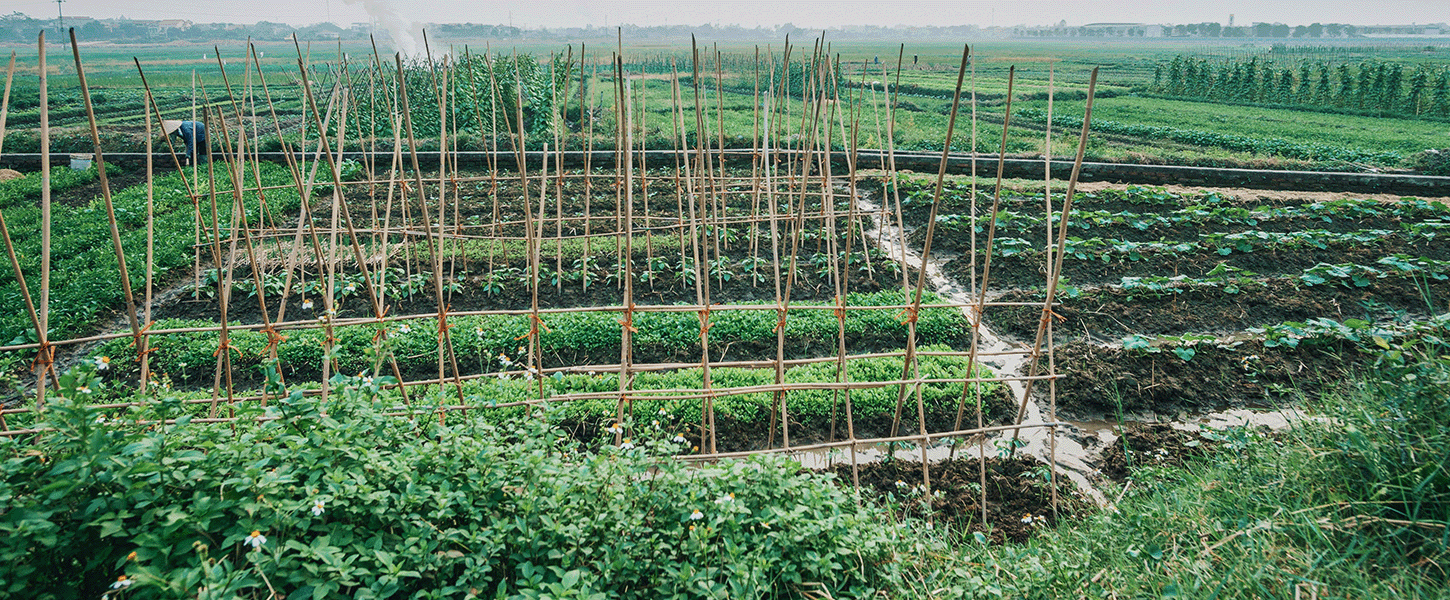
Micropollutants can accumulate in the soil, leading to potential uptake by crops.
Impact on Agriculture and Environment
Soil and Crop Contamination: Micropollutants can accumulate in the soil, leading to potential uptake by crops. This contamination can affect plant health and reduce crop yields, impacting food supply quality and quantity.
Ecosystem Disruption:The presence of micropollutants can disrupt aquatic ecosystems. They can affect the reproductive systems of aquatic organisms, alter food webs, and reduce biodiversity.
Human Health Risks
Consuming crops irrigated with contaminated water can lead to the bioaccumulation of micropollutants in humans, posing health risks such as endocrine disruption, antimicrobial resistance, and other health implications.
Mitigation Strategies
- Advanced Water Treatment: Implementing advanced water treatment technologies, such as Arvia’s patented Nyex™ water treatment systems that combine adsorption and electrochemical oxidation to effectively remove persistent micropollutants such as pesticides, pharmaceuticals (APIs), and industrial chemicals to trace levels (ng/L). These systems enhance the removal of micropollutants from wastewater before it is used for irrigation.
- Sustainable Agricultural Practices: Adopting sustainable agricultural practices, such as precision agriculture, integrated pest management, and organic farming, can reduce the reliance on chemical inputs and decrease the levels of micropollutants in runoff.
- Policy and Regulation: Strengthening regulations regarding the discharge of industrial and domestic wastewater can help limit the introduction of micropollutants into water sources. International cooperation and policy harmonisation are crucial to address this global issue effectively.
Conclusion
Addressing the issue of micropollutants in agriculture is essential for sustainable food production and environmental protection. By understanding their sources, impacts, and mitigation strategies, stakeholders can work together to ensure safer irrigation practices and a healthier planet.
More featured articles
04.17.2025

In this article we discuss PFAS and the implications of these forever chemicals on human and animal health. We examine the routes of exposure, health impacts and how Arvia is helping to tackle the PFAS problem.
03.18.2026
This article discusses the threats of PFAS in agriculture and how these forever chemicals are entering the food chain.
12.5.2025
World Soil Day, celebrated every December 5th, emphasises the vital role of healthy soil in our ecosystems and food security.
Our wastewater treatment expertise
Our water technology can be used to treat a variety of water treatment applications. Once we understand the nature of your wastewater and your final water quality target, our water treatment specialists can make recommendations as to how best to treat your water. Take a look at some of the Nyex applications here:
Need help? Speak with an expert