Articles / Agrochemicals / insights / Water pollution
Pesticides and Veterinary Drugs in Agriculture
Pesticides and Veterinary Drugs in Agriculture
April 15, 2026
Pesticides and Veterinary Drugs in Agriculture
Pesticides and veterinary drugs play a crucial role in modern agriculture, ensuring that crops remain free from pests and diseases, and that livestock stay healthy and productive. However, their use also poses potential threats to human health and the environment. This article evaluates the threats and the mitigation strategies for the environment and human health.
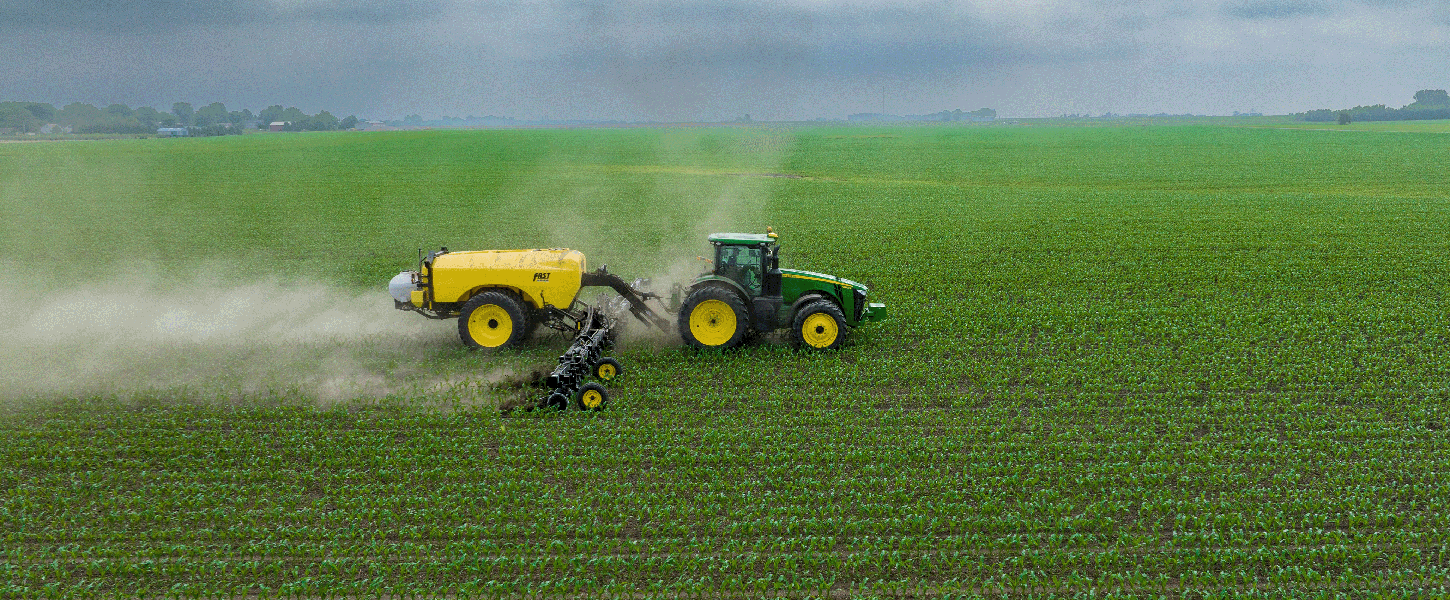
Pesticides play a crucial role in modern agriculture.
Pesticides
As intensive farming methods continue to rely heavily on chemicals, the residual levels of persistent chemicals prevalent in the environment will remain at dangerous levels. The extensive use of insecticides, selective herbicides and germicides for crop protection is regarded as critical to efficient food production. Their use is expected to increase dramatically as the world population rises.
The harsh reality is that agrochemicals can remain in the environment for many years, posing a significant threat to human health.
Threats to Human Health
Pesticides, including herbicides, insecticides, and fungicides, are widely used to protect crops from pests and diseases but have been shown to affect the health of humans via the following methods:
- Acute Exposure: Short-term exposure to high levels of pesticides can cause symptoms such as headaches, dizziness, nausea, and, in severe cases, respiratory distress or even death.
- Chronic Exposure: Long-term exposure, even at low levels, has been linked to serious health problems, including cancer, endocrine disruption, reproductive issues, and neurological disorders.
- Residue on Food: Pesticide residues can remain on fruits and vegetables, leading to ingestion by consumers. This is particularly concerning for vulnerable groups like children and pregnant women.
Veterinary Drugs
Veterinary drugs, including antibiotics, antiparasitics, and growth promoters, are used to maintain animal health and productivity. However, misuse or overuse can have adverse human health implications:
- Drug Residues: Residues from veterinary drugs can remain in animal products such as milk, meat, and eggs, which can potentially lead to allergic reactions or toxicity in humans.
- Hormonal Effects: Some veterinary drugs can mimic or interfere with hormones, leading to disruptions in human hormonal balance and related health issues.
Antimicrobial Resistance (AMR)
One of the most significant threats associated with the use of veterinary drugs is the development of antimicrobial resistance (AMR). This occurs when bacteria, viruses, fungi, and parasites evolve to become resistant to drugs that once killed them.
How AMR Develops
- Overuse and Misuse: The overuse and misuse of antibiotics in agriculture, such as for growth promotion or disease prevention rather than treatment, accelerate the development of AMR.
- Environmental Contamination: Antibiotics can enter the environment through animal waste, contaminating soil and water, which can foster resistant strains of bacteria.
Implications of AMR
- Human Health Threats: AMR makes infections harder to treat, leading to longer hospital stays, higher medical costs, and increased mortality. Common infections and minor injuries, once easily treatable, could become life-threatening.
- Economic Impact: AMR can lead to significant economic losses in healthcare costs and productivity due to prolonged illness and more intensive treatment requirements.
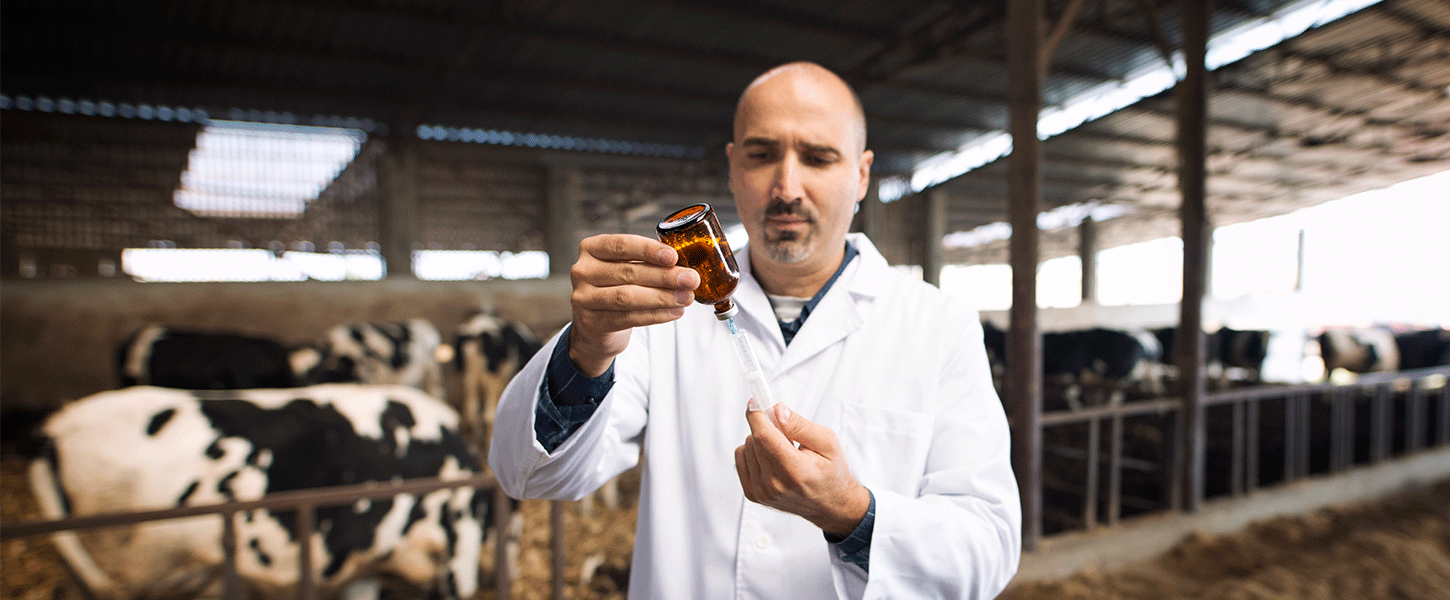
Veterinary drugs, including antibiotics, antiparasitics, and growth promoters, are used to maintain animal health and productivity.
Mitigation Strategies
Addressing the threats posed by pesticides and veterinary drugs requires a multi-faceted approach:
- Regulation and Monitoring: Implementing strict regulations and monitoring systems to control the use of pesticides and veterinary drugs can help minimise their risks.
- Integrated Pest Management (IPM): Encouraging the use of IPM, which combines biological, physical, and chemical tools in a way that minimises economic, health, and environmental risks.
- Responsible Antibiotic Use: Promoting the judicious use of antibiotics in agriculture through guidelines and stewardship programs to prevent the development of AMR.
- Public Awareness: Educating farmers, veterinarians, and the public about the risks associated with pesticide and veterinary drug use and the importance of responsible use.
By taking these steps, we can work towards a more sustainable agricultural system that protects human health and the environment while ensuring food security.
How Arvia Can Help
Arvia’s Nyex™ Rosalox treatment system, combine adsorption with advanced oxidation, provides a tertiary ‘safety net’, removing agrochemicals down to below the limit of detection in most cases in a single, scalable unit.
Trace organics are concentrated on the surface of Arvia’s proprietary non-porous highly conductive media, which is then subjected to an electrical current charge. This patented adsorbent media allows for targeted and continuous oxidation.
Arvia’s wastewater treatment systems also remove many antibiotics, and other pharmaceutical APIs, persistent micropollutants, Endocrine Disrupting Chemicals (EDCs), and antimicrobial-resistant (AMR) compounds to trace levels.
Conclusion
As technology evolves and public knowledge of agrochemicals reaches a fever pitch, there will be no choice but for industry players to reassess their own wastewater treatment processes.
Run offs from intensive farming are contributing heavily to dangerous pesticides entering our waterways. Overuse of veterinary drugs is also having a major effect on antimicrobial resistance and hormonal balances.
Inadequate wastewater treatment from various industries is allowing polluted water to get into our groundwater, which puts unfair pressure onto utilities to remove pollutants.
The damage it could do to our environment and bodies is still not fully understood, but it is clear that the time to act is now. For real, tangible change to take place, there must be an industry wide effort to both reduce the amount of agrochemicals and veterinary drugs used, and to make a concerted effort to treat wastewater which contains these contaminants prior to it entering waterways.
More featured articles
03.30.2026
This blog evaluates micropollutants in agriculture and why removal is essential for sustainable food production and environmental protection.
03.18.2026
This article discusses the threats of PFAS in agriculture and how these forever chemicals are entering the food chain.
07.30.2025
This article explores PNEC and the role it plays as a benchmark for determining the safety levels of various substances in urban wastewater.
Our wastewater treatment expertise
Our water technology can be used to treat a variety of water treatment applications. Once we understand the nature of your wastewater and your final water quality target, our water treatment specialists can make recommendations as to how best to treat your water. Take a look at some of the Nyex applications here:
Need help? Speak with an expert