Articles / Agrochemicals / insights / Water technology
The Hidden Threat: PFAS in Agriculture
The Hidden Threat: PFAS in Agriculture
March 18, 2026
The Hidden Threat: PFAS in Agriculture
Per- and polyfluoroalkyl substances (PFAS), often termed ‘forever chemicals,’ are a large class of synthetic compounds characterised by extraordinarily strong carbon-fluorine bonds that render them highly persistent in the environment and resistant to natural degradation. Although PFAS have legitimate industrial uses, including in non-stick coatings and waterproof materials, their persistence within agriculture has given rise to growing concerns about environmental contamination, food safety, and human health.
Agricultural Contamination
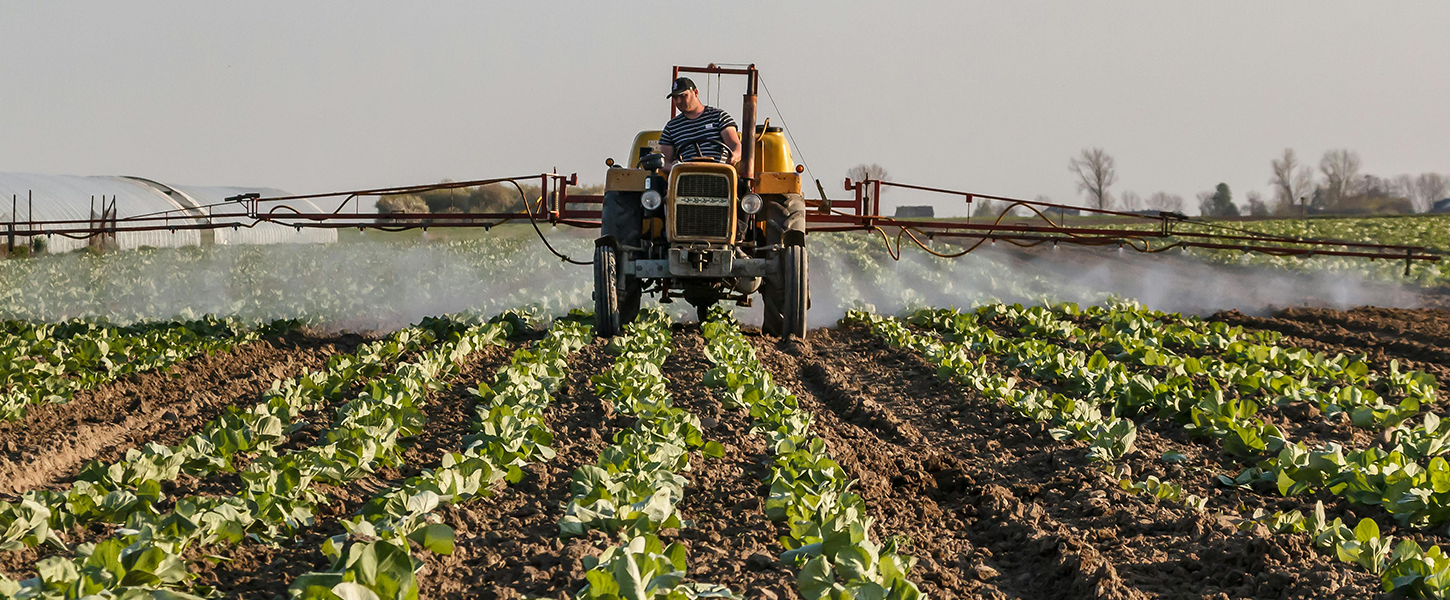
PFAS contamination in agriculture is best understood not as a single exposure event, but as a cumulative systems issue. It can occur through biosolids used as fertilisers, contaminated irrigation water, or pesticide formulations that contain PFAS as inert ingredients. Once released, PFAS can accumulate in soil, crops, livestock, and groundwater, making remediation extremely difficult.
Pesticides, on the other hand, are intentionally toxic substances. While they play a role in maintaining crop yields and food security; many pesticides have been linked to adverse health and environmental effects.
PFAS in Pesticides
Pesticides play a critical role in modern agriculture by protecting crops from pests, diseases, and weeds. However, the inclusion of PFAS in some pesticide formulations has raised alarms. PFAS can be used in pesticides either as active ingredients or as part of the formulation process to enhance the product’s effectiveness.
PFAS provide stability and durability, ensuring that pesticides remain effective over extended periods and under adverse conditions. Their resistance to water and oil helps pesticides adhere to plant surfaces, improving efficacy.
Chronic exposure to certain pesticides, however, has been associated with cancer, endocrine disruption, neurological disorders, and reproductive harm in humans. Environmental impacts include pollinator decline, water pollution, and loss of biodiversity.
UK Government Monitoring of Fruit and Vegetables
The UK Government operates a pesticide residue monitoring programme which tests food products for traces of pesticides, usually at or below statutory Maximum Residue Levels (MRLs) set to protect consumer safety. The programme is overseen by the Health and Safety Executive (HSE) with independent scientific advice from the Expert Committee on Pesticide Residues in Food (PRiF).
The UK Government runs a monitoring programme for pesticide residues that examines food items for remnants of pesticides, typically at or beneath the legally established Maximum Residue Levels (MRLs) designed to safeguard consumer health. The initiative is managed by the Health and Safety Executive (HSE), with guidance from the independent Expert Committee on Pesticide Residues in Food (PRiF).
An evaluation of the 2022 residue testing outcomes, performed by Pesticide Action Network UK (PAN UK), indicated that at least ten distinct PFAS pesticides were found in a variety of widely consumed fruits and vegetables. Strawberries ranked as the most commonly contaminated produce, with 95% of the samples tested revealing PFAS pesticides. Grapes and cherries also exhibited notable contamination levels, detected in around 61% and 56% of samples, respectively.
These results stemmed from government testing that annually evaluates about 2,500 one-kilogram samples of fruits and vegetables obtained from supermarkets and other retailers, representing products intended for human consumption.

Strawberries emerged as the most frequently contaminated produce, with 95% of tested samples containing PFAS pesticides.
Policy and Industry Response
While the UK Government continues to monitor pesticide residues through established programmes, environmental and public health organisations are pressing for more stringent regulation of PFAS as a class of chemicals. Critics assert that existing regulatory frameworks including those governing pesticide authorisation and chemical registration, have not kept pace with scientific understanding of PFAS persistence and toxicity. Proposals under UK REACH (UK’s chemical regulator) and ongoing scientific evaluations may inform future restrictions, but comprehensive group-wide PFAS regulation remains under debate.
How Arvia is Helping the Agriculture Industry Mitigate Risks
Nyex Rosalox™ and Ellenox™ Arvia Water Technologies electrochemical water treatment systems have proven to remove agrochemicals, insecticides, and herbicides, to trace levels making agricultural wastewater reusable.
Their Nyex Florenox™ reactors represent the next generation of Arvia’s electrochemical oxidation (EO) technology, built to perform efficiently at low pressure and temperature. The EO process relies on the mass transfer of PFAS to the electrode surface, which is optimised by Florenox advanced 3-D anode. These innovations make Florenox a highly efficient and eco-friendly solution for destroying PFAS carbon-fluorine bonds.
Conclusion
In summary, PFAS pesticides represent a significant and persistent challenge for agriculture, with documented residues in widely consumed fresh produce and broader environmental persistence. Continued government testing provides critical surveillance data, yet policymakers face increasing calls to strengthen regulatory controls, minimise agrochemical reliance, and protect both ecosystem and public health from the long-term implications of ‘forever chemicals.’
More featured articles
04.17.2025

In this article we discuss PFAS and the implications of these forever chemicals on human and animal health. We examine the routes of exposure, health impacts and how Arvia is helping to tackle the PFAS problem.
12.5.2025

World Soil Day, celebrated every December 5th, emphasises the vital role of healthy soil in our ecosystems and food security.
03.3.2025

This article examines PFAS, which consumer products it can be found in, exposure and the effects on the environment.
Our wastewater treatment expertise
Our water technology can be used to treat a variety of water treatment applications. Once we understand the nature of your wastewater and your final water quality target, our water treatment specialists can make recommendations as to how best to treat your water. Take a look at some of the Nyex applications here:
Need help? Speak with an expert