


Articles / insights / Semiconductors / Sustainability / Water technology
Electrochemical Oxidation in Semiconductor Manufacturing
Electrochemical Oxidation in Semiconductor Manufacturing
November 16, 2026
Electrochemical Oxidation in Semiconductor Manufacturing
The semiconductor industry, a cornerstone of modern technology, is renowned for its sophisticated manufacturing processes and high standards. However, it also faces significant environmental challenges, particularly concerning wastewater management. Electrochemical oxidation has emerged as a promising solution to address wastewater treatment in semiconductor manufacturing, combining efficiency with environmental responsibility.
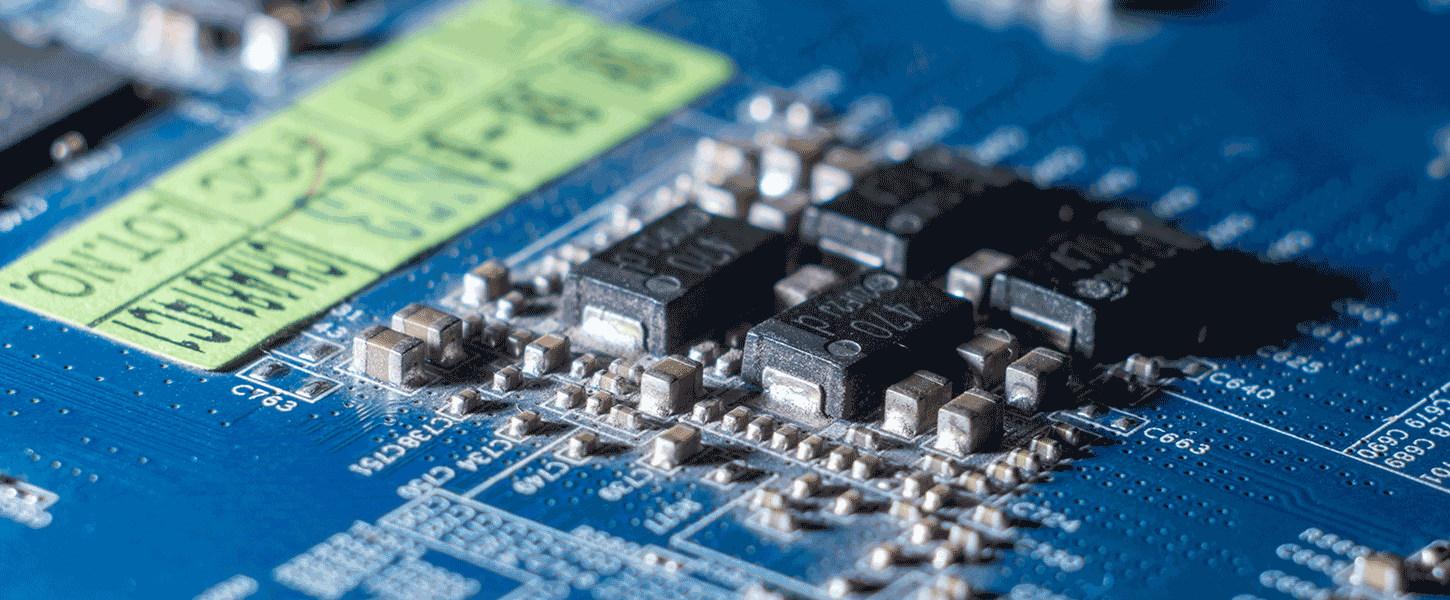
Semiconductor wastewater is often laden with toxic and hazardous chemicals.
The Challenge of Wastewater in Semiconductor Manufacturing
Semiconductor manufacturing is an intricate process that involves multiple steps, each contributing to wastewater generation. This wastewater is often laden with toxic and hazardous chemicals, including heavy metals, solvents, acids, and bases. As the industry continues to expand, so does the volume of wastewater, posing a substantial environmental risk if not managed effectively.
Conventional wastewater treatment methods, such as chemical precipitation and biological treatment, often struggle to cope with the complexity and variability of semiconductor effluents. These methods can be inefficient, costly, and may produce secondary pollution. Thus, the industry is in dire need of innovative and sustainable solutions to mitigate its environmental footprint.
Electrochemical Oxidation: A Promising Solution
Electrochemical oxidation stands out as a viable alternative for wastewater treatment in the semiconductor industry. This advanced oxidation process leverages the power of electricity to initiate and accelerate chemical reactions that decompose pollutants in wastewater. The process involves the use of electrodes that facilitate the transfer of electrons, promoting the breakdown of organic pollutants into less harmful substances.
Introducing Arvia’s Technologies
Arvia’s patented advanced oxidation technology offers a unique, cost-effective treatment option for hazardous organics, and micropollutants in process water and wastewater streams. Arvia works with two types of treatment systems: Nyex Rosalox™ and Nyex Ellenox™. In the Nyex Rosalox™ water treatment process, organic pollutants are adsorbed onto a patented conductive media, concentrating them in one place. Then electrochemistry is used to oxidise the contaminant. The applied current also regenerates the surface of the conductive media to enable ongoing water treatment without interruption. Nyex Ellenox™ destroys organic contamination in water by producing powerful hydroxyl (OH●) radicals. During treatment, the high concentration of OH● radicals indiscriminately attack even hard-to-adsorb compounds. Treated water flows can either be re-used or safely discharged, offering a chemical free alternative to other tertiary water treatment solutions available on the market.
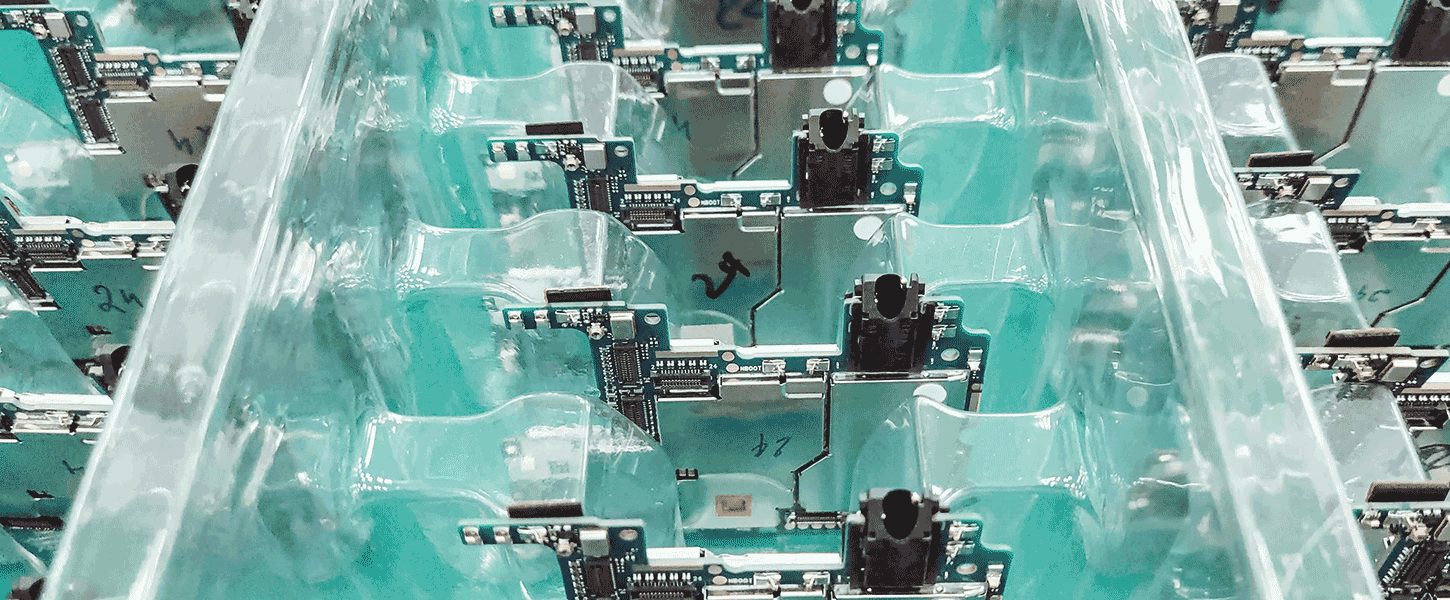
Electrochemical oxidation stands out as a viable alternative for wastewater treatment in the semiconductor industry.
Advantages of Arvia’s Electrochemical Oxidation
The application of electrochemical oxidation in semiconductor manufacturing offers several compelling advantages:
- No Sludge: Arvia’s technology does not produce any sludge, and all of the organics are oxidised which means no secondary waste is produced from the process.
- High Efficiency: This method is highly efficient in decomposing a wide range of organic pollutants, including those that are resistant to conventional treatments.
- Minimal Chemical Usage: Unlike traditional methods, electrochemical oxidation does not require the addition of harmful chemicals, reducing the risk of secondary pollution.
- Scalability: The modular nature of electrochemical oxidation systems makes them easy to scale, accommodating the varying wastewater volumes typical in semiconductor manufacturing.
- Energy Efficiency: Although it relies on electricity, modern electrochemical systems are designed to be energy-efficient, making them a cost-effective option in the long run.
Conclusion
Electrochemical oxidation represents a significant leap forward in addressing the wastewater challenges faced by the semiconductor industry. By offering a cleaner, more efficient, and potentially more cost-effective alternative to traditional methods, electrochemical oxidation is poised to play a crucial role in promoting environmental sustainability within the industry. As the technology continues to evolve, it holds the promise of not only safeguarding water resources but also supporting the semiconductor industry’s growth in a more sustainable manner.
More featured articles
10.16.2026
In this article, we discuss the accelerated growth of data centres and the potential environmental impact of PFAS chemicals.
11.2.2026
In this article, we discuss the role of Semiconductors in the global water crisis and how water recycling and reuse is becoming critical.
09.1.2026

In this article, we discuss the accelerated growth of data centres and the potential environmental impact of PFAS chemicals.
Our wastewater treatment expertise
Our water technology can be used to treat a variety of water treatment applications. Once we understand the nature of your wastewater and your final water quality target, our water treatment specialists can make recommendations as to how best to treat your water. Take a look at some of the Nyex applications here:
Need help? Speak with an expert

