


Articles / insights / Semiconductors / Sustainability / Water technology
The Role of Semiconductors in the Global Water Crisis
The Role of Semiconductors in the Global Water Crisis
November 2, 2026
The Role of Semiconductors in the Global Water Crisis
The semiconductor industry is a cornerstone of modern technology, driving advancements in everything from smartphones to electric vehicles. However, the production of semiconductors is notoriously water-intensive, raising critical concerns about its impact on the global water crisis. As the demand for semiconductors continues to grow, understanding their water footprint and exploring sustainable practices becomes increasingly important.

Producing a single 30 cm silicon wafer can consume up to 2,000 gallons of water.
Semiconductor Manufacturing: A Water-Intensive Process
The manufacture of semiconductors involves multiple steps, each requiring significant amounts of ultra-pure water (UPW). This water is needed to clean silicon wafers, remove impurities, and ensure the high quality of the final product. According to industry estimates, producing a single 30 cm silicon wafer can consume up to 2,000 gallons of water. Given the high volume of wafers produced annually, the cumulative water usage is staggering.
The Global Water Crisis
The global water crisis is characterised by the increasing scarcity of freshwater resources. Factors such as climate change, population growth, and industrial demand are exacerbating water shortages around the world. With approximately 2.1 billion people lacking access to safe drinking water, the crisis poses a significant threat to human health, economic development, and environmental sustainability.
Semiconductors and Water Scarcity
The water-intensive nature of semiconductor manufacturing contributes to the strain on freshwater resources, particularly in regions where water is already scarce. Many semiconductor fabrication plants, or fabs, are located in areas like Taiwan and California, where water resources are under significant pressure. This localisation further exacerbates regional water scarcity issues, prompting urgent calls for more sustainable practices.
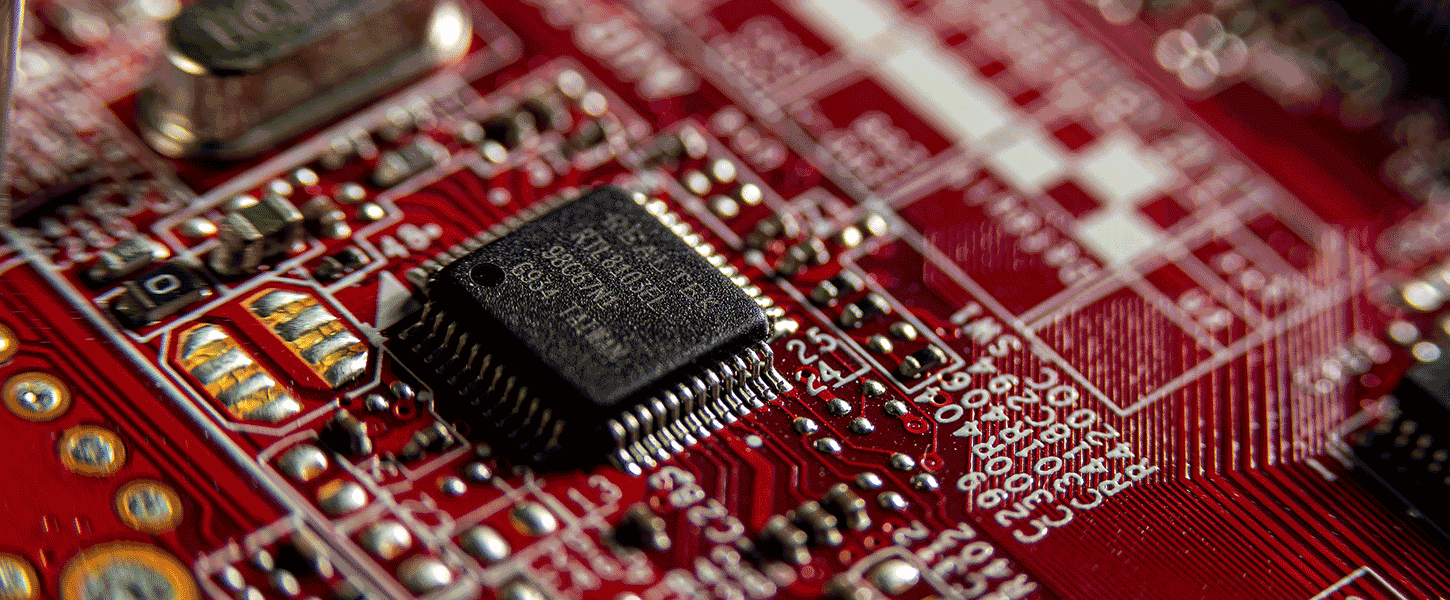
The global water crisis is characterised by the increasing scarcity of freshwater resources.
Steps Toward Sustainability
Recognising the critical need for water conservation, the semiconductor industry is actively pursuing strategies to reduce its water footprint. Key measures include:
- Water Recycling and Reuse: Many semiconductor companies are investing in advanced water recycling systems that allow them to reclaim and reuse water multiple times within the manufacturing process. This can significantly reduce the overall water consumption of a fab.
- Innovative Technologies: Research and development efforts are underway to create technologies that require less water. For example, dry processing techniques and improvements in cleaning methods are being explored to minimise water usage.
- Efficient Water Management: Implementing comprehensive water management systems helps monitor water usage and identify areas for efficiency improvements. These systems can optimise water use, reduce waste, and ensure compliance with environmental regulations.
- Collaboration and Policy: The industry is also collaborating with governments and environmental organisations to develop policies that promote water conservation. These partnerships aim to balance industrial needs with environmental sustainability.
The Path Forward
While the semiconductor industry has made strides in reducing its water intensity, there is still much work to be done. Continued innovation and investment in sustainable practices are essential to mitigating the industry’s impact on the global water crisis.
Moreover, consumers and stakeholders must remain vigilant and demand accountability from companies regarding their water usage. Public awareness and advocacy can drive meaningful change, encouraging the adoption of more sustainable practices across the industry.
How Arvia Can Help
Treating wastewater from semiconductor manufacturing is far from straightforward. With multiple waste streams containing a diverse mix of potentially toxic contaminants, achieving the exceptionally high levels of water purity required demands more than a conventional, one-size-fits-all approach.
It takes specialist expertise at every stage, from understanding the unique characteristics of individual waste streams to optimising waste management and selecting the most effective treatment processes. The ultimate goal? Removing harmful contaminants to below detectable levels.
This is where Arvia’s innovative water treatment technologies make a difference. Its Nyex™ Ellenox and Rosalox processes deliver highly effective removal of toxic contaminants, including corrosion-related chemicals, solvents and other organic pollutants, to below detection limits.
When it comes to one of the most challenging groups of contaminants, PFAS, Arvia offers a smarter, more sustainable solution. Unlike conventional treatment methods that simply transfer PFAS into a secondary waste stream, Arvia’s Nyex™ Florenox technology is designed to destroy PFAS, offering an effective route to their removal from wastewater without creating the same secondary waste burden.
From complex chemical waste streams to persistent emerging contaminants, Arvia is helping semiconductor manufacturers take wastewater treatment to the next level.
Conclusion
Semiconductor manufacturing and severe water scarcity are on a dangerous collision course. As the world becomes increasingly reliant on technology, balancing the demand for semiconductors with the need for sustainable water management is crucial. By investing in innovative solutions and fostering collaboration, the industry can play a pivotal role in addressing the global water crisis, ensuring a sustainable future for both technology and the planet.
More featured articles
10.16.2026

In this article, we discuss the accelerated growth of data centres and the potential environmental impact of PFAS chemicals.
08.24.2026

World Water Week is an event that brings together global stakeholders to address the critical role of water in sustainable development.
09.1.2026

In this article, we discuss the accelerated growth of data centres and the potential environmental impact of PFAS chemicals.
Our wastewater treatment expertise
Our water technology can be used to treat a variety of water treatment applications. Once we understand the nature of your wastewater and your final water quality target, our water treatment specialists can make recommendations as to how best to treat your water. Take a look at some of the Nyex applications here:
Need help? Speak with an expert

