Articles / Agrochemicals / insights / Water pollution / Water technology
World Soil Day
World Soil Day 2025
December 5, 2025
World Soil Day 2025
World Soil Day is celebrated annually on December 5th, serving as a reminder of the vital role soil plays in the ecosystem and human life. It aims to raise awareness about the importance of soil health and encourage sustainable soil management practices. In 2025, World Soil Day will again bring focus to this crucial component of our environment.
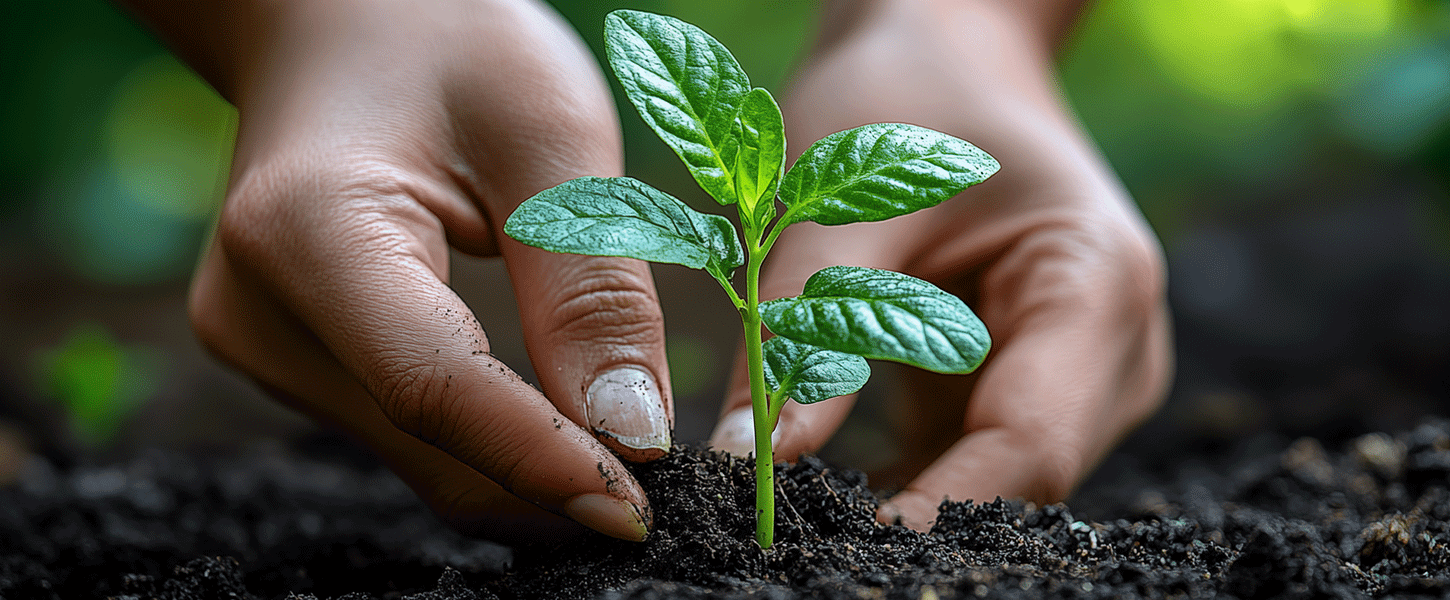
World Soil Day is celebrated annually on December 5th.
World Soil Day: A Call for Sustainable Practices
World Soil Day, observed annually on December 5th, is a momentous occasion to highlight the significance of healthy soil and advocate for sustainable soil management. As we celebrate this day, it’s crucial to address the harmful impact of pesticides, antimicrobial resistance (AMR), and per- and polyfluoroalkyl substances (PFAS) on soil health and the repercussions for future generations.
Theme for 2025
The theme for World Soil Day 2025 is “Healthy Soils for Healthy Cities.” This theme emphasises the fundamental role that healthy soil plays not only in agriculture but also in maintaining biodiversity, supporting human health, and combating climate change. It seeks to highlight the interconnectedness of soil with various aspects of the environment and encourage actions that promote soil conservation and restoration.
Soil is a vital component of our ecosystem. It supports plant growth, regulates water, recycles nutrients, and provides habitat for countless organisms. Healthy soil is essential for food security and biodiversity, making its preservation critical for future generations.
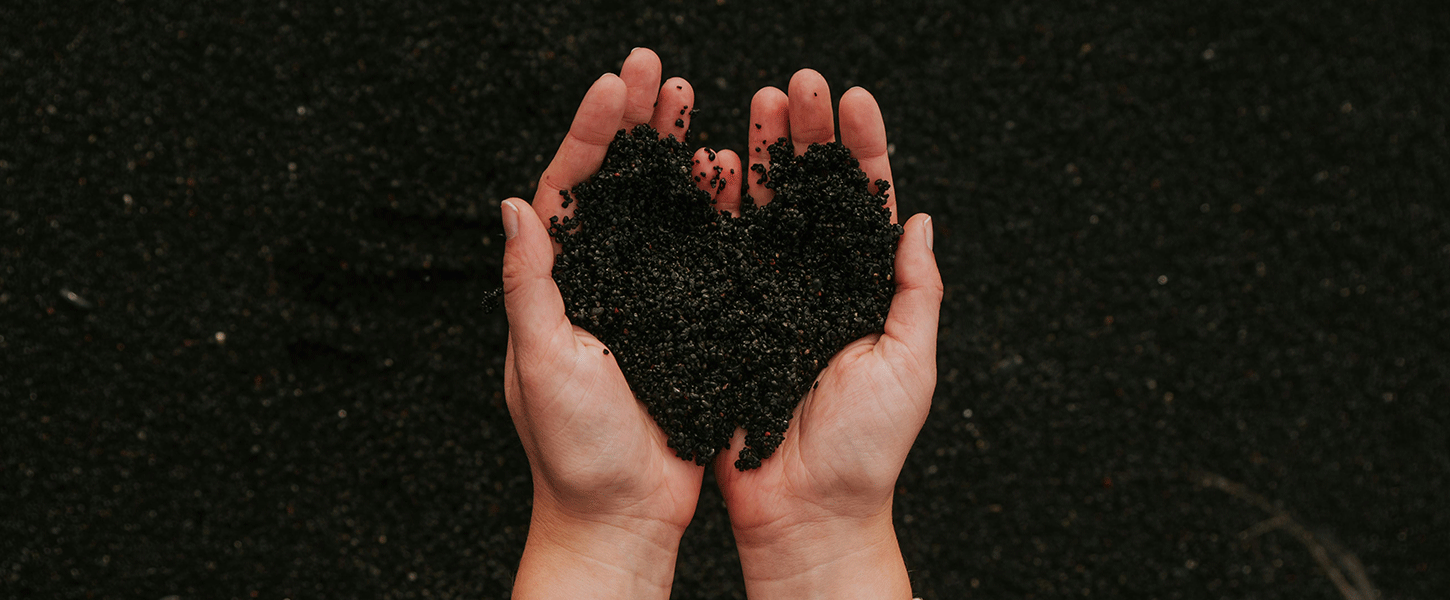
Arvia’s technology contributes to sustainability and improved environmental outcome
The Impact of Pesticides in Agriculture
Pesticides are widely used in agriculture to protect crops from pests and diseases. However, their excessive use can lead to the degradation of soil health. Pesticides can harm beneficial soil organisms, reduce biodiversity, and lead to pesticide residues leaching into water bodies. These effects can disrupt the balance of ecosystems and diminish soil fertility over time.
The strategies to mitigate pesticide damage include:
- Integrated Pest Management (IPM): Implementing IPM practices can reduce reliance on chemical pesticides by using biological controls and other sustainable farming techniques.
- Organic Farming: Encouraging organic farming methods that prioritise natural pest control and enhance soil health.
Antimicrobial Resistance (AMR)
AMR occurs when microorganisms such as bacteria, viruses, and some parasites develop resistance to antimicrobial agents. The spread of AMR is exacerbated by the use of antibiotics in agriculture, which can enter the soil through manure and run-off, leading to resistant strains that threaten both human and animal health.
Ways to combat antimicrobial resistance:
- Regulating Antibiotic Use: Strict regulations on antibiotic use in agriculture can help curb the development and spread of AMR.
- Education and Awareness: Raising awareness about the dangers of AMR and promoting responsible use of antibiotics.
- Apply wastewater treatments to remove APIs to trace levels.
The Threat of PFAS
PFAS, known as “forever chemicals” due to their persistence in the environment, are used in a variety of industrial and consumer products. These chemicals can infiltrate soil and water systems, leading to long-term environmental and health issues. PFAS accumulation in soil can affect plant growth and contaminate food chains, posing a significant threat to future generations.
To address PFAS pollution, we must:
- Develop Alternatives: Encouraging research and development of safer, biodegradable alternatives to PFAS.
- Environmental Cleanup: Investing in technologies and strategies for effective PFAS remediation in contaminated areas.
To safeguard our soil for future generations, it’s crucial to adopt sustainable practices that minimise the use of harmful chemicals and promote soil health.
How Arvia is Supporting the Agriculture Industry
Arvia is helping the agriculture industry by providing advanced tertiary wastewater treatment systems that remove a wide range of pollutants to enable water reuse and meet discharge regulations.
Our unique electrochemical and adsorption processes can remove persistent contaminants like pesticides, pharmaceuticals, and PFAS to very low levels.
Arvia’s technology contributes to sustainability and improved environmental outcomes:
- Allows for the recycling of treated water, which can be reused for operations or discharged back to the environment safely.
- Helps industries to meet sustainability goals by treating their wastewater effectively.
- Reduces the need for chemical dosing, as the technology uses a combination of adsorption and oxidation.
A Vision for the Future
To safeguard our soil for future generations, it’s crucial to adopt sustainable practices that minimise the use of harmful chemicals and promote soil health. This requires a collaborative effort from governments, industries, farmers, and consumers alike. By fostering awareness and implementing sustainable agricultural practices, we can protect our soil and ensure a healthy environment for generations to come.
World Soil Day serves as a reminder that our actions today will shape the world of tomorrow. Let’s commit to preserving the earth beneath our feet.
More featured articles
07.14.2025
Our latest article examines the impact of antidepressants on aquatic life and how their effective removal from water reduces environmental harm.
07.21.2025
This article explores how EDCs enter the waterways, the impacts on health and how the UWWTD is aiming to address the problems.
05.6.2025
In this article we evaluate the challenges of tackling wastewater in the Chemical Industry and sustainable ways to reuse wastewater.
Our wastewater treatment expertise
Our water technology can be used to treat a variety of water treatment applications. Once we understand the nature of your wastewater and your final water quality target, our water treatment specialists can make recommendations as to how best to treat your water. Take a look at some of the Nyex applications here:
Need help? Speak with an expert