Articles / insights / Sustainability / Water pollution / Water technology
World Nature Conservation Day
World Nature Conservation Day
July 27, 2026
World Nature Conservation Day
World Nature Conservation Day, observed annually on 28th July, serves as a global reminder of the necessity to protect and conserve our natural resources for future generations. As human activities increasingly threaten the balance of Earth’s ecosystems, this day emphasises the importance of safeguarding the elements that sustain life: air, water, soil, forests, wetlands, and wildlife. Among these, water holds a particularly crucial place, as it is the lifeblood of our planet.
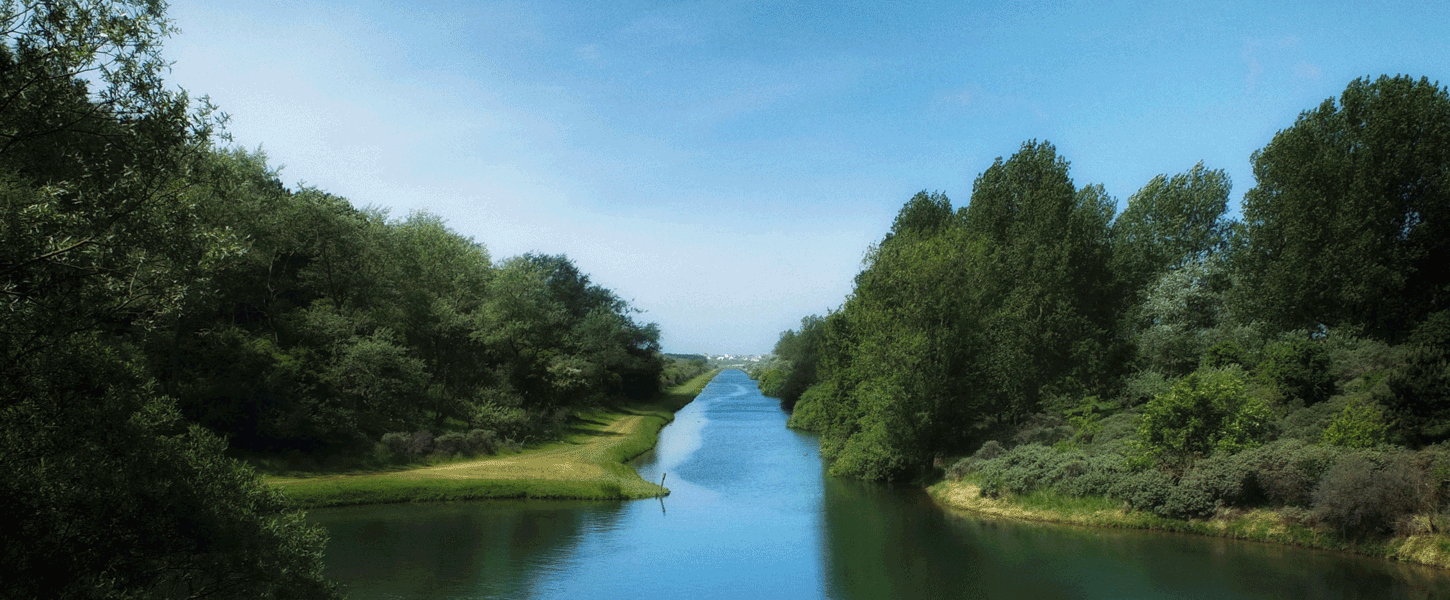
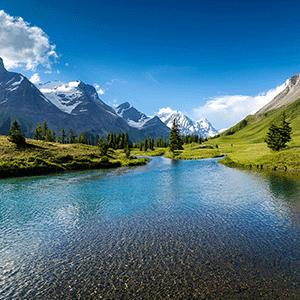
Water is an essential element of nature, covering about 71% of the Earth's surface
The Importance of Natural Resource Conservation
Natural resources are the building blocks of life, providing the essentials needed to sustain humans and countless other species. They play a critical role in maintaining the delicate balance of our ecosystems. Air is vital for the survival of most living organisms, as it provides the oxygen necessary for respiration and supports climate regulation. Soil is the foundation for plant growth, offering nutrients and a medium for roots to anchor in.
Forests act as the Earth’s lungs, absorbing carbon dioxide and releasing oxygen while providing habitat for diverse flora and fauna. Wetlands are crucial for water purification, flood control, and supporting biodiversity. Finally, wildlife ensures the stability of ecosystems through intricate food webs and ecological interactions.
When these natural elements are compromised, the balance of our ecosystems is disrupted, resulting in adverse effects such as climate change, biodiversity loss, and depleted resources. Therefore, it is imperative to conserve these elements to ensure the sustainability of our planet.
Water: The Essence of Life
Water is an essential element of nature, covering about 71% of the Earth’s surface . It is indispensable for all forms of life, making its conservation a top priority. Water is involved in numerous ecological processes, such as nutrient cycling, habitat provision, and climate regulation. It is also crucial for human survival, as it is used for drinking, agriculture, and industry.
Despite its abundance, only 3% of the Earth’s water is fresh and accessible for human use. This limited resource faces increasing pressure from pollution, overuse, and climate change. Contaminated water sources lead to health issues and decrease biodiversity in aquatic ecosystems. Over-extraction for agricultural and industrial purposes can deplete water tables and reduce river flows, affecting both human and wildlife populations.
Preserving Water for Future Generations
To ensure water availability for future generations, it is essential to adopt sustainable practices and policies. Here are some strategies:
- Water Conservation: Encourage the use of water-saving techniques in households, agriculture, and industry, such as rainwater harvesting, drip irrigation, and efficient appliances.
- Pollution Control: Implement strict regulations on pollutants and promote the use of environmentally friendly products to reduce contamination of water bodies.
- Ecosystem Protection: Safeguard wetlands and other critical habitats that play a role in water filtration and biodiversity support.
- Public Awareness: Educate communities about the importance of water conservation and empower them to take action through community-based initiatives.
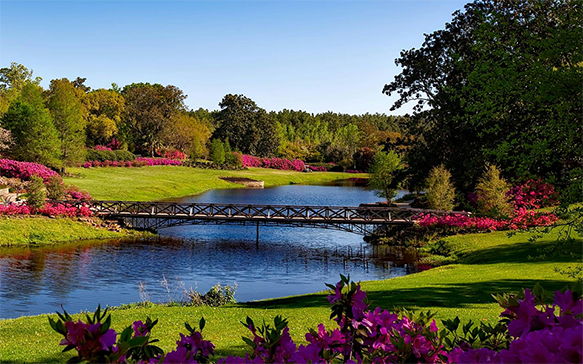
Only 3% of the Earth's water is fresh and accessible for human use.
How Arvia can Help
Arvia is one of the world’s leading manufacturers of electrochemical water treatment products. With design, manufacturing, and R&D in the UK, they also have labs in India, a facility in China and have expanded into the US.
Arvia’s treatment systems include Nyex Florenox, Nyex Rosalox and Nyex Ellenox – three revolutionary systems specifically designed for tertiary water treatment.
Our advanced technologies have numerous benefits associated with purifying and reusing water in lithium-ion battery recycling, reducing waste and the environmental footprint. This innovative approach supports the circular economy and aligns with global sustainability goals, making Arvia Technology essential in the shift to a greener future.
Conclusion
World Nature Conservation Day serves as a reminder of the urgent need to protect the natural elements that sustain life on Earth. By focusing on the conservation of air, water, soil, forests, wetlands, and wildlife, we can maintain the balance of our ecosystems and secure a sustainable future. Water demands our attention as a vital resource facing growing threats. Through responsible management and community involvement, we can safeguard our planet’s resources for generations to come. Let us commit to being conscientious stewards of nature, ensuring its longevity and vitality for all living beings.
More featured articles
04.29.2026
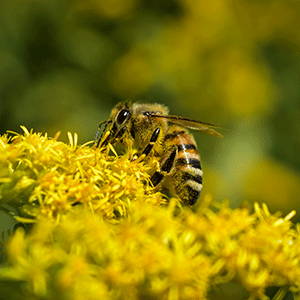
Pollinators play a crucial role in the health of ecosystems. In our blog, we discuss the risks to pollinators from the use of pesticides.
05.6.2025
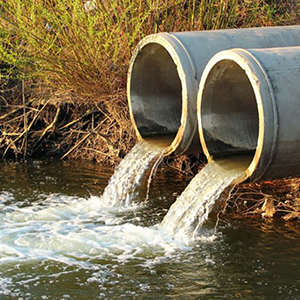
In this article we evaluate the challenges of tackling wastewater in the Chemical Industry and sustainable ways to reuse wastewater.
06.5.2026
In our latest article we discuss the importance of World Environment Day 2026, climate change and water security.
Our wastewater treatment expertise
Our water technology can be used to treat a variety of water treatment applications. Once we understand the nature of your wastewater and your final water quality target, our water treatment specialists can make recommendations as to how best to treat your water. Take a look at some of the Nyex applications here:
Need help? Speak with an expert