Articles / insights / Sustainability / Water pollution / Water technology
The Impact of Vapes on Wastewater Systems
The Impact of Vapes on Wastewater Systems
July 10, 2026
The Impact of Vapes on Wastewater Systems
The rapid growth of vaping has created new environmental challenges that extend beyond public health concerns. While electronic cigarettes, commonly known as vapes, are often marketed as an alternative to traditional tobacco products, their disposal and waste management have become increasingly important issues. One area receiving growing attention is the impact of vape products on wastewater systems and aquatic environments.
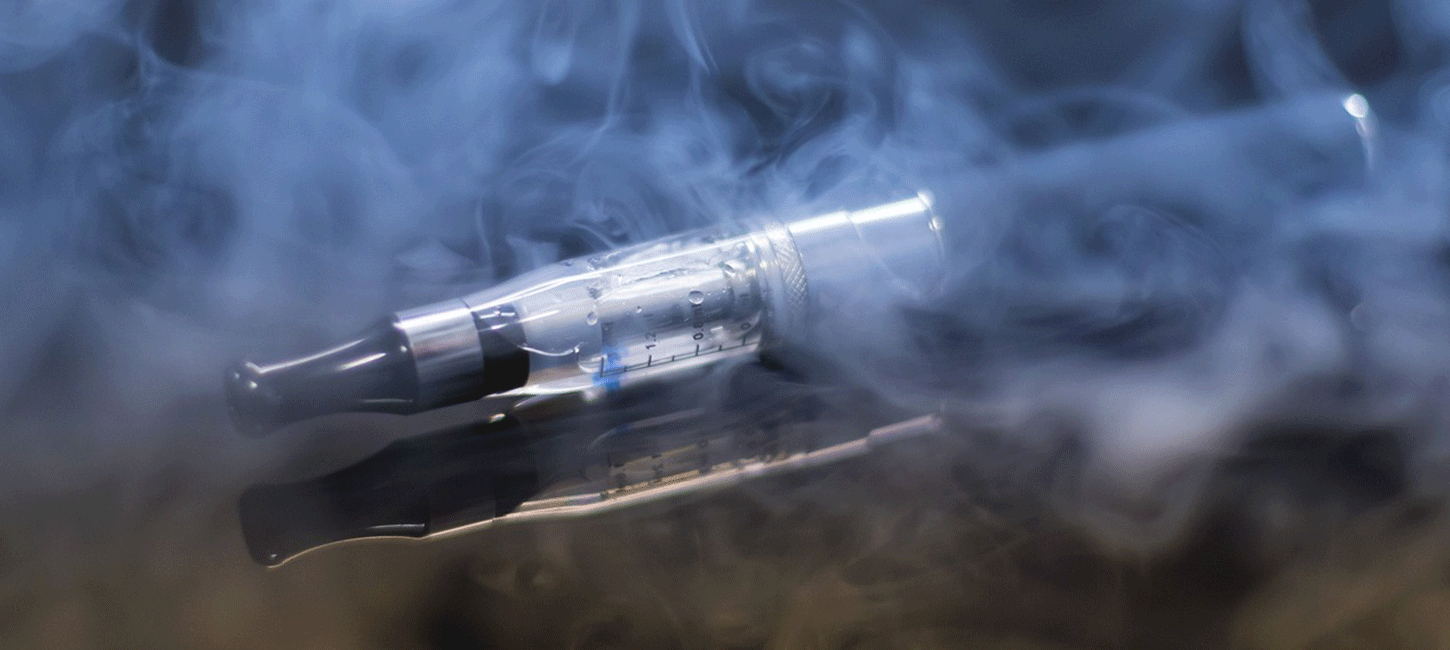
Vaping has created new environmental challenges that extend beyond public health concerns.
Components of Vapes and Their Environmental Impact
Vapes, or electronic cigarettes, are composed of several key components including a battery, a heating element, and a reservoir for liquid. Each of these components poses unique challenges for disposal and environmental degradation:
- Batteries: Vape devices are often powered by lithium-ion batteries. Improper disposal of these batteries can lead to the release of toxic chemicals into the environment. When batteries are discarded in landfills, they can leach heavy metals into the soil and groundwater, potentially contaminating local water supplies.
- E-liquids: Vape liquids often contain nicotine, propylene glycol and flavourings. If they enter wastewater systems, these substances can be difficult to treat and remove. Nicotine is particularly toxic to aquatic life and can disrupt ecosystems when it reaches rivers, lakes or other water bodies.
- Plastic and Metal Components: Many vape devices are partially constructed of plastics and metals. These materials do not biodegrade easily and can contribute to environmental pollution if not properly recycled.
Vapes and Wastewater Systems
Wastewater treatment plants are not typically equipped to handle the specific pollutants found in vape products. This can lead to several issues:
- Chemical Contamination: The chemicals found in e-liquids can persist through wastewater treatment processes, leading to contamination of surface water bodies. This poses risks to aquatic life and potentially to human health if these waters are used as a source of drinking water
- Infrastructure Damage: Improper disposal of vape devices, particularly the batteries, can cause damage to wastewater infrastructure. Batteries can corrode and cause blockages or even explosions in the system, leading to costly repairs and service disruptions.
Broader Environmental Concerns
The environmental impact of vapes extends beyond wastewater systems, affecting air quality and contributing to land pollution:
- Air Pollution: The process of vaping releases aerosolised particles into the air. While these particles primarily affect indoor air quality, they can also contribute to outdoor air pollution, impacting respiratory health in densely populated areas.
- Land Pollution: Discarded vape products contribute to litter. The non-biodegradable nature of many vape components means they can persist in the environment for long periods, contributing to land pollution and harming wildlife.
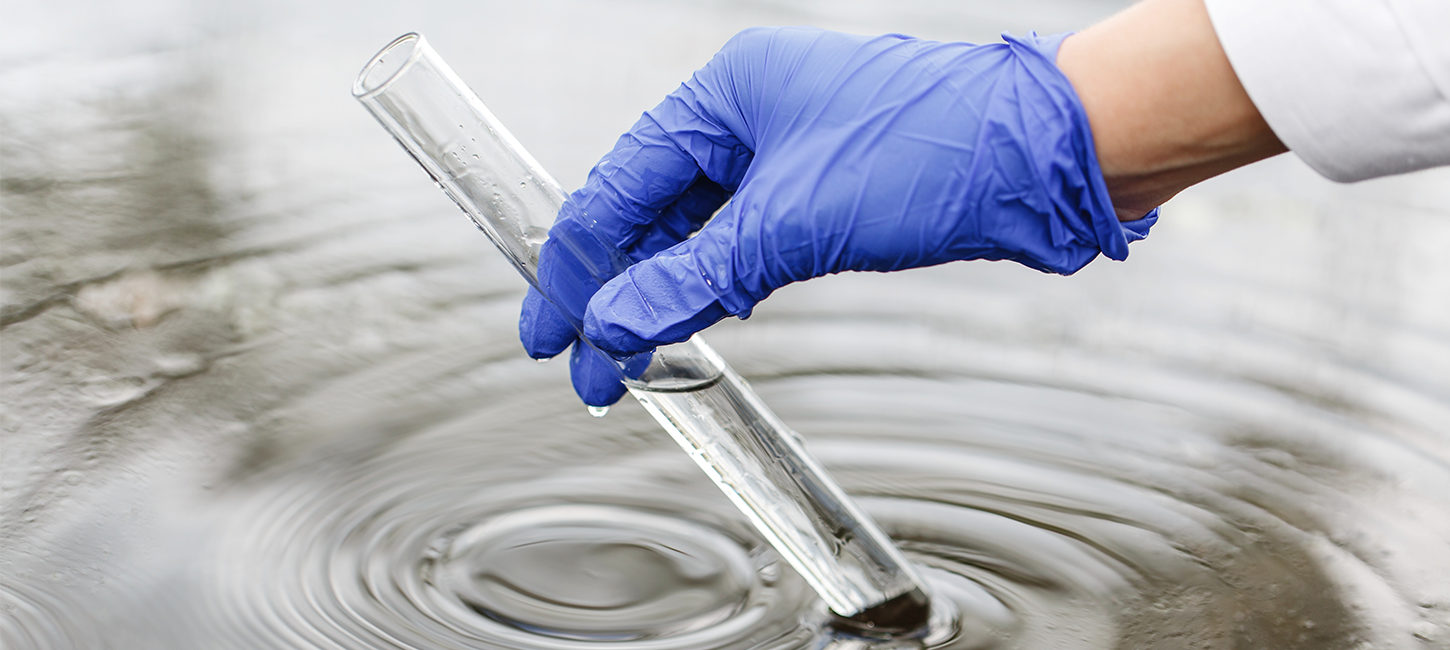
Wastewater treatment plants are not typically equipped to handle vaping pollutants
Mitigation Strategies
To mitigate the environmental impact of vapes, several strategies can be implemented:
- Proper Disposal and Recycling: Encouraging users to properly dispose of vape products and recycle components, when possible, can reduce environmental harm. Establishing dedicated recycling programs for vape devices and e-liquids can greatly benefit both local ecosystems and public health.
- Regulation and Policy: Implementing stricter regulations on the production and disposal of vape products can help mitigate their environmental impact. Policies could include requirements for manufacturers to offer take-back programs or to use more environmentally friendly materials.
How Arvia can Help
Vape and tobacco manufacture/processing usually results in wastewater containing COD and nicotine. To reuse wastewater or discharge to sewer it is necessary to reduce the overall organic loading and remove residual nicotine.
Arvia’s Nyex Rosalox system combine adsorption with electrochemical oxidation in a single, scalable unit. Contaminants are concentrated on the surface of Arvia’s proprietary adsorbent media which is non-porous with high electrical conductivity. This patented media allows for targeted and continuous oxidation using a low electrical current. Unlike Granular Activated Carbon (GAC), Nyex media is effectively regenerated in-situ and the process can continue without interruption or replacement. The system provides a chemical free and environmentally sound solution, which comes in a modular design and can be integrated into an existing treatment train to improve organic removal capacities.
Arvia is continuing to work with several clients in the tobacco and smoke-free alternatives sectors with wastewater analysis and treatment, as well as ongoing value chain investigation to support further cost-saving and sustainable water management practices.
Conclusion
The relationship between vapes and wastewater highlights an often-overlooked environmental consequence of vaping. Nicotine residues, flavouring chemicals, plastics, and battery materials can all contribute to pollution when vape products are disposed of improperly. As vaping continues to grow globally, addressing these environmental challenges will require improved waste management practices, stronger regulations, and greater public awareness. By taking proactive steps today, communities can reduce the impact of vape waste on wastewater systems and protect aquatic environments for future generations.
About Arvia
Arvia is one of the world’s leading manufacturers of electrochemical water treatment products.
With design, manufacturing, and R&D in the UK, they also have labs in India, a facility in China and have expanded into the US.
Arvia’s treatment systems include Nyex.3 Florenox, Nyex Rosalox and Nyex Ellenox – three revolutionary systems specifically designed for tertiary water treatment, each delivering spectacular (up to parts per billion) results treating many recalcitrant pollutants in industrial wastewater like PFAS, endocrine disruptors and antibiotics.
To see how Arvia Technology could benefit many water treatment systems worldwide, check the Arvia website or make contact to set up a one-to-one consultation with a water science expert.
More featured articles
05.29.2026
In our latest article we discuss the importance of World No Tobacco Day, and Arvia's solution to nicotine water pollution.
03.30.2026
This blog evaluates micropollutants in agriculture and why removal is essential for sustainable food production and environmental protection.
06.5.2026

In our latest article we discuss the importance of World Environment Day 2026, climate change and water security.
Our wastewater treatment expertise
Our water technology can be used to treat a variety of water treatment applications. Once we understand the nature of your wastewater and your final water quality target, our water treatment specialists can make recommendations as to how best to treat your water. Take a look at some of the Nyex applications here:
Need help? Speak with an expert