Articles / insights / Sustainability / Water pollution / Water technology
Nicotine in Wastewater and Its Effects on the Environment
Nicotine in Wastewater and Its Effects on the Environment
July 3, 2026
Nicotine in Wastewater and Its Effects on the Environment
Nicotine, a potent alkaloid primarily found in tobacco plants, is a substance commonly associated with the health risks of smoking. However, its presence in the environment, specifically in wastewater, is an area of growing concern. This article will explore the environmental impacts of nicotine and mitigation strategies to limit pollution damage.
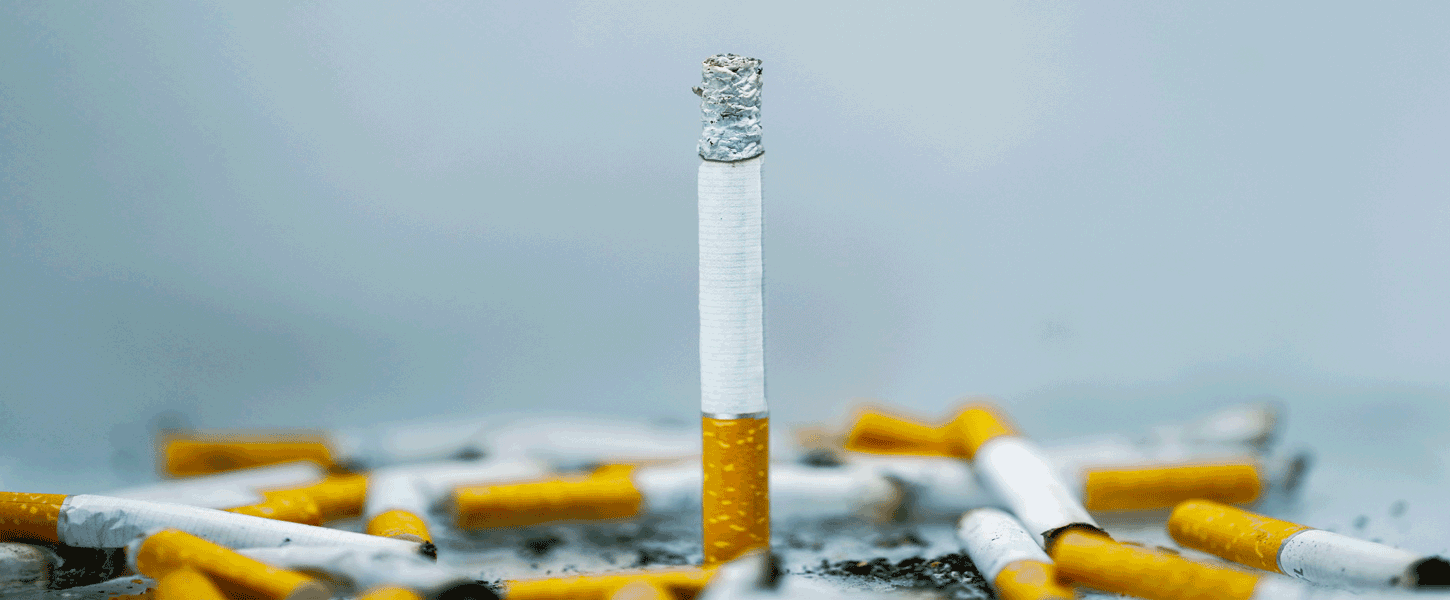
Nicotine in wastewater can have several detrimental effects on the environment.
Nicotine in Wastewater
Nicotine is widely consumed through cigarettes, cigars, e-cigarettes, nicotine pouches, and other tobacco products. As tobacco use remains common around the world, increasing amounts of nicotine are entering wastewater systems through human excretion, disposal of tobacco products, cigarette butts, manufacturing waste, and runoff from agricultural activities involving tobacco cultivation. Although nicotine is often associated with human health concerns, its presence in wastewater can also have significant environmental consequences.
Wastewater containing nicotine originates from several sources. One major source is human consumption. After nicotine is absorbed by the body, a portion is excreted through urine and enters sewage systems. Another important source is the disposal of cigarette butts, which contain residual nicotine that can leach into water when exposed to rain or improper waste management. Tobacco manufacturing facilities may also release nicotine-containing wastewater if adequate treatment measures are not in place. Additionally, agricultural runoff from tobacco-growing regions can transport nicotine residues into nearby rivers, lakes, and groundwater.
Environmental Impacts of Nicotine in Wastewater
Once nicotine enters wastewater systems, it may not be completely removed during conventional wastewater treatment processes. While some treatment plants can reduce nicotine concentrations through biological degradation, traces of the compound and its by-products may remain in treated effluent.
Nicotine in wastewater can have several detrimental effects on the environment:
- Aquatic Toxicity: Nicotine is toxic to aquatic organisms. Even at low concentrations, it can affect the growth, reproduction, and survival of fish and invertebrates.
- Bioaccumulation: Chronic exposure to nicotine in water can lead to bioaccumulation in aquatic food chains, potentially impacting larger ecosystems,
- Disruption of Water Treatment Processes: High concentrations of nicotine can interfere with biological treatment processes at wastewater treatment facilities, reducing their effectiveness.
Other Environmental Concerns
Another environmental concern involves the accumulation of cigarette butts, one of the most common forms of litter worldwide. Cigarette filters contain plastic fibres that degrade very slowly and can release nicotine and other toxic chemicals into soil and water. Rainwater can carry these contaminants into storm drains, rivers, and oceans. Marine organisms may ingest cigarette butt fragments, mistaking them for food. This can lead to physical harm as well as chemical exposure from nicotine and other pollutants associated with tobacco waste.
The environmental effects of nicotine are not limited to aquatic systems. Soil contamination can occur when tobacco waste is discarded on land or when wastewater sludge containing nicotine residues is applied as fertiliser. Nicotine may affect soil microorganisms and invertebrates such as earthworms, which are important for maintaining soil health and fertility. Changes in soil biological activity can influence decomposition rates and nutrient availability for plants.
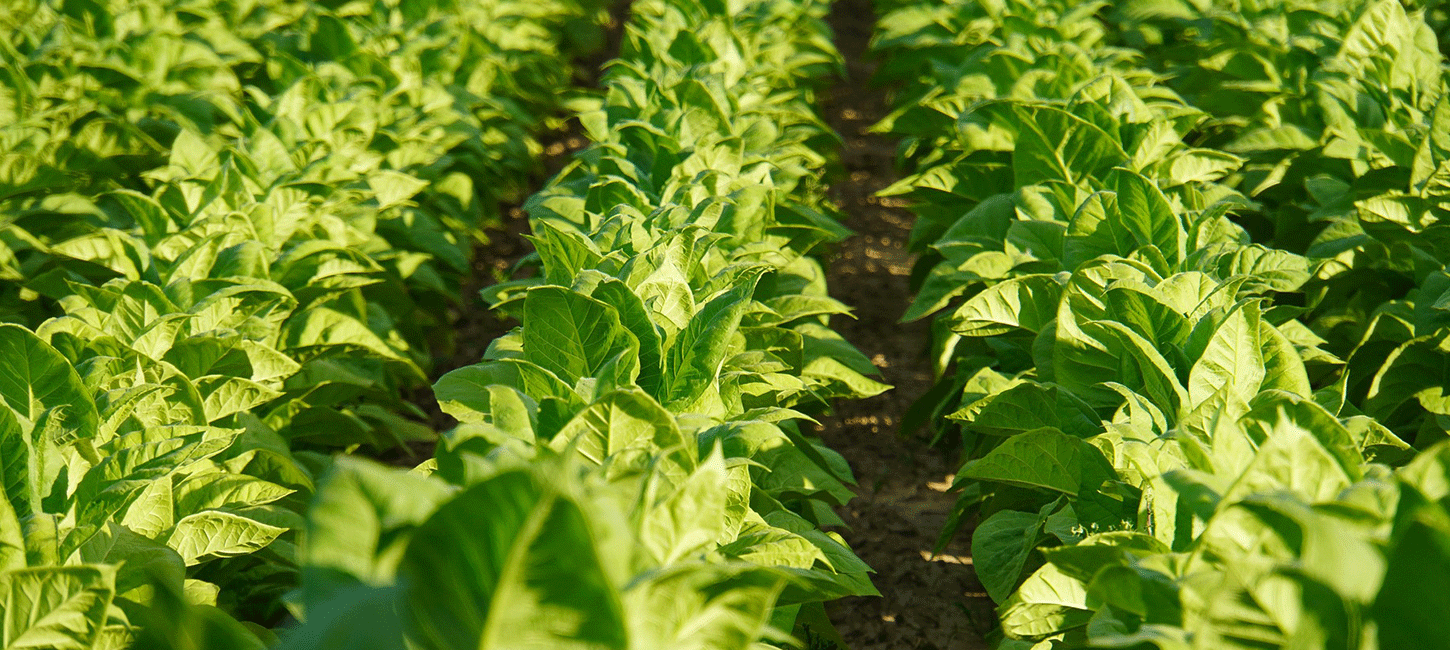
High concentrations of nicotine can interfere with biological treatment processes at wastewater treatment facilities
Mitigating the Risks of Nicotine
Addressing nicotine pollution requires a combination of prevention, treatment, and public awareness strategies.
Improved wastewater treatment technologies, including Arvia’s Nyex Rosalox advanced oxidation system, can enhance the removal of nicotine and COD from wastewater.
Proper disposal and recycling of cigarette butts can reduce the amount of nicotine entering the environment. Public education campaigns can encourage responsible disposal of tobacco products and raise awareness of their environmental impacts. Additionally, stricter regulations on industrial discharges from tobacco manufacturing facilities can help minimise nicotine contamination.
Conclusion
The presence of nicotine in wastewater poses a significant environmental challenge. Understanding its sources and impacts is crucial for developing effective strategies to mitigate its effects. By combining technological advancements, regulatory measures, and public awareness, we can reduce the environmental footprint of nicotine and protect our water resources for future generations.
About Arvia
Arvia is one of the world’s leading manufacturers of electrochemical water treatment products.
With design, manufacturing, and R&D in the UK, they also have labs in India, a facility in China and have expanded into the US.
Arvia’s treatment systems include Nyex.3 Florenox, Nyex Rosalox and Nyex Ellenox – three revolutionary systems specifically designed for tertiary water treatment, each delivering spectacular (up to parts per billion) results treating many recalcitrant pollutants in industrial wastewater like PFAS, endocrine disruptors and antibiotics.
To see how Arvia Technology could benefit many water treatment systems worldwide, check the Arvia website or make contact to set up a one-to-one consultation with a water science expert.
More featured articles
05.29.2026
In our latest article we discuss the importance of World No Tobacco Day, and Arvia's solution to nicotine water pollution.
03.30.2026
This blog evaluates micropollutants in agriculture and why removal is essential for sustainable food production and environmental protection.
06.5.2026

In our latest article we discuss the importance of World Environment Day 2026, climate change and water security.
Our wastewater treatment expertise
Our water technology can be used to treat a variety of water treatment applications. Once we understand the nature of your wastewater and your final water quality target, our water treatment specialists can make recommendations as to how best to treat your water. Take a look at some of the Nyex applications here:
Need help? Speak with an expert