Articles / insights / Water pollution / Water technology
World Health Day 2026
World Health Day 2026: Together for Health, Stand with Science
April 7, 2026
World Health Day 2026: Together for Health, Stand with Science
Each year on April 7th, the world unites in recognition of World Health Day, a global health awareness day celebrated under the sponsorship of the World Health Organisation (WHO). In 2026, the theme “Together for Health: Stand with Science” underscores the essence of collaborative efforts and scientific advancements in addressing critical health issues.
In this latest article, we evaluate the challenges posed by endocrine disruptors, micropollutants, and antimicrobial resistance (AMR), all of which pose significant threats to global health.
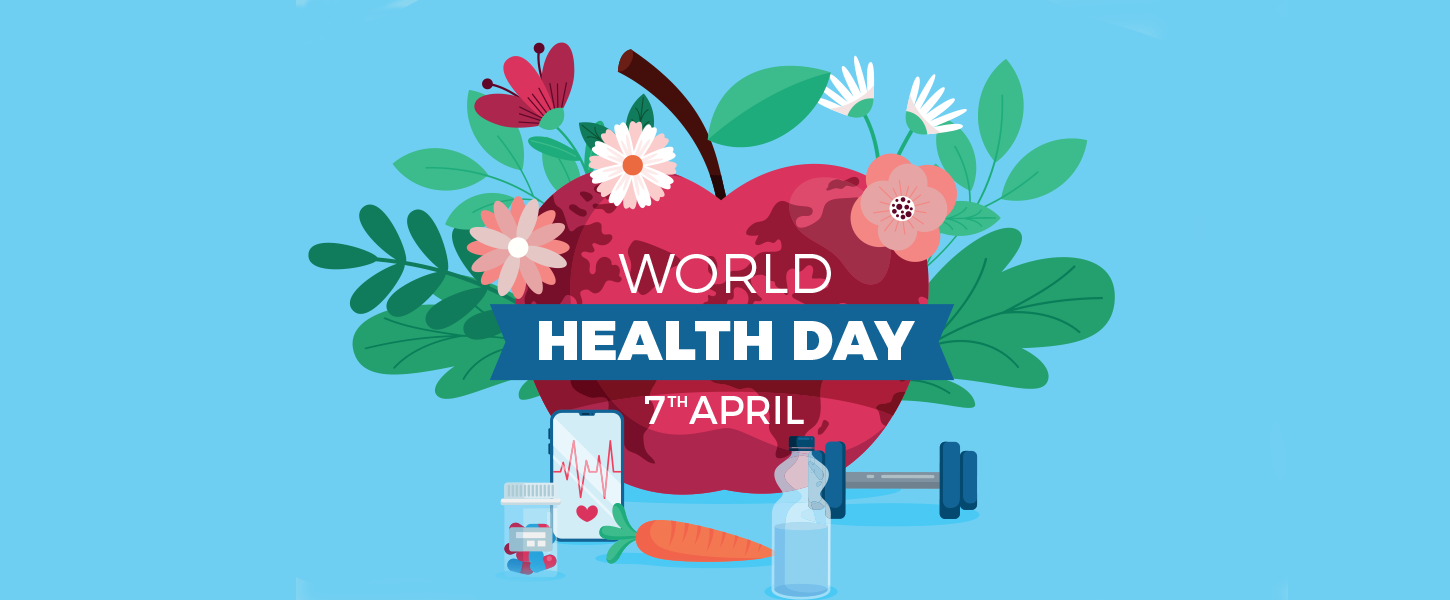
World Health Day is global health awareness day which is celebrated on 7th April.
Endocrine Disruptors: Invisible Threats
Endocrine disruptors are chemicals that can interfere with the hormonal systems of humans and wildlife. These substances are found in various products, including plastics, cosmetics, and pesticides, making them nearly ubiquitous in everyday life. The potential health impacts are profound, with links to developmental, reproductive, neurological, and immune effects in both humans and wildlife.
Scientific research has shown that exposure to endocrine disruptors can lead to an array of health issues such as infertility, obesity, diabetes, and hormone-related cancers. In 2026, the call to action is clear: we must enhance regulation and encourage the development of safer alternatives to mitigate these invisible yet potent threats.
Micropollutants: A Global Contaminant
Micropollutants, including pharmaceuticals, personal care products, and industrial chemicals, are a growing concern due to their persistence in the environment and potential to harm ecosystems and human health. These pollutants are often not entirely removed by conventional wastewater treatment processes, leading to their accumulation in water bodies, soil, and even in our food chain.
The scientific community and policymakers are working hand-in-hand to develop advanced filtration and purification technologies to tackle micropollutants. Public awareness campaigns are also vital, encouraging responsible disposal of pharmaceuticals and reducing reliance on products containing harmful chemicals. This year’s theme emphasises the importance of informed choices and scientific innovation in curbing the spread of these contaminants.
Antimicrobial Resistance (AMR): The Silent Pandemic
Perhaps one of the most daunting challenges of our time is antimicrobial resistance (AMR), often referred to as the “silent pandemic.” AMR occurs when microorganisms such as bacteria, viruses, fungi, and parasites evolve to withstand the drugs that once killed them. This resistance threatens to undo decades of medical progress, rendering common infections deadly and complicating surgeries and chemotherapy treatments.
The world is called to unite in a concerted effort to combat AMR. This includes promoting the prudent use of antibiotics in healthcare and agriculture, investing in research for new antimicrobials, and implementing robust infection prevention and control measures. Public health education campaigns play a crucial role in informing the public about the dangers of overusing antibiotics and the importance of completing prescribed courses.

The world is called to unite in a concerted effort to combat Antimicrobial Resistance.
Standing with Science: A Collective Responsibility
“Together for Health: Stand with Science” is not just a theme but a rallying cry for unity and action. It underscores the need for collaboration across sectors, nations, and communities to address these complex health challenges. Scientific research and innovation are the cornerstones of developing effective strategies and solutions, but they must be supported by policies, education, and public engagement.
How Arvia Can Help
Arvia Technology offers Nyex™ wastewater treatment systems that combine adsorption and electrochemical oxidation to remove persistent micropollutants, Endocrine Disrupting Chemicals (EDCs), and antimicrobial-resistant (AMR) compounds to trace levels. This chemical-free process regenerates its media in-situ, eliminating sludge production while enabling water reuse.
Key Solutions for AMR, EDCs, and Micropollutants
- Targeted Removal: The technology acts efficiently on hard-to-treat organic micropollutants, including pharmaceutical residues, pesticides (e.g., metaldehyde), and EDCs.
- AMR Mitigation: Nyex™ systems directly combat antimicrobial resistance by removing antibiotics and resistant microorganisms from wastewater, often achieving 99% removal levels.
- No Secondary Waste: Unlike activated carbon, the proprietary media does not require disposal. It is regenerated in-situ via oxidation, destroying organics and converting them into water, and gas.
- Efficient Process: The system provides a chemical-free, modular, and cost-effective solution that works in tandem with existing treatment trains to meet strict regulatory standards.
- Water Reuse: By lowering chemical oxygen demand (COD) and removing contaminants, Arvia allows for the recycling of wastewater in industrial applications, fostering a circular economy.
Conclusion
World Health Day 2026 serves as a reminder that health is a collective responsibility. By standing with science, we can forge a healthier future for all, ensuring that the air we breathe, the water we drink, and the food we consume are safe and free from harmful pollutants. Through global cooperation and steadfast dedication to scientific principles, we can overcome the challenges posed by endocrine disruptors, micropollutants, and AMR, paving the way for a healthier, more sustainable world.
More featured articles
04.17.2025

In this article we discuss PFAS and the implications of these forever chemicals on human and animal health. We examine the routes of exposure, health impacts and how Arvia is helping to tackle the PFAS problem.
07.14.2025

Our latest article examines the impact of antidepressants on aquatic life and how their effective removal from water reduces environmental harm.
07.21.2025
This article explores how EDCs enter the waterways, the impacts on health and how the UWWTD is aiming to address the problems.
Our wastewater treatment expertise
Our water technology can be used to treat a variety of water treatment applications. Once we understand the nature of your wastewater and your final water quality target, our water treatment specialists can make recommendations as to how best to treat your water. Take a look at some of the Nyex applications here:
Need help? Speak with an expert