Articles / insights / Sustainability / Water pollution / Water technology
World Lake Day
World Lake Day
August 27, 2025
World Lake Day
World Lake Day is dedicated to raising awareness about the importance of lakes. With over 117 million lakes on Earth providing habitats for diverse wildlife and ecosystems, the importance of their conservation has never been more critical. In this article we will discuss the challenges of pollution, sustainability and conservation efforts.
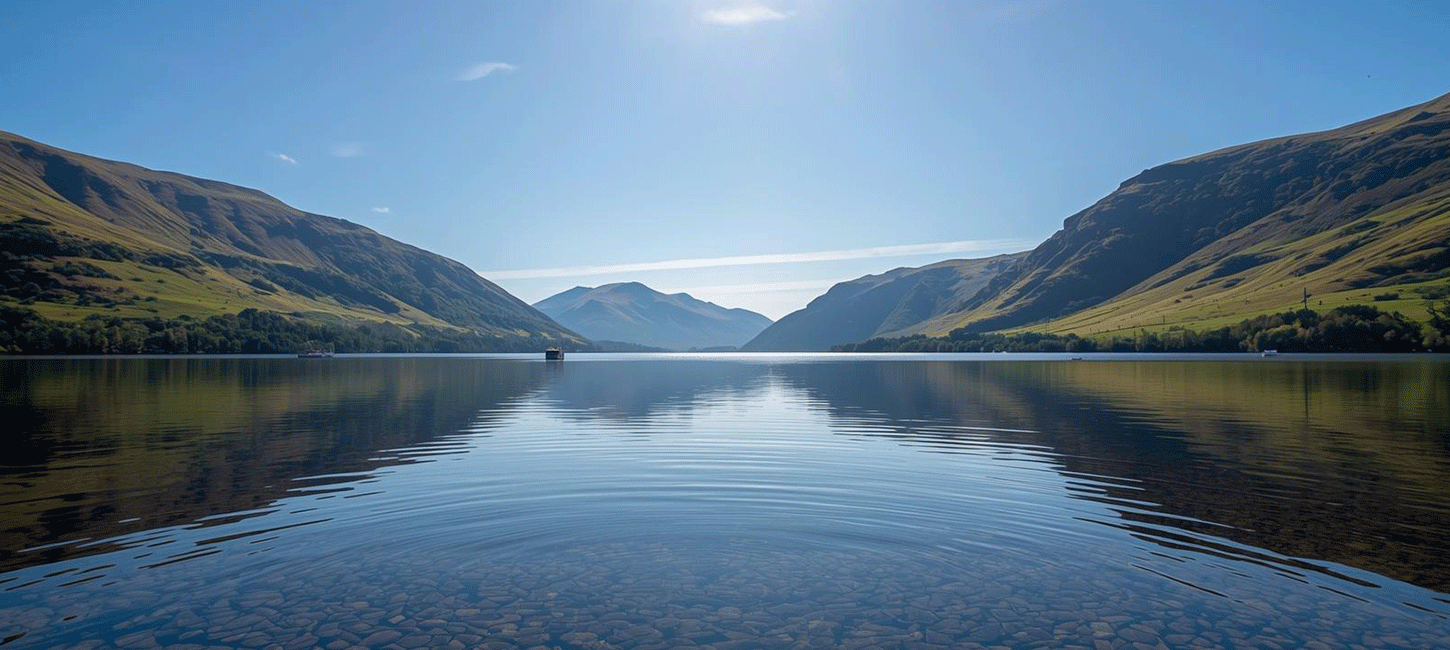
World Lake Day is celebrated annually on 27th August.
World Lake Day
World Lake Day is celebrated annually on 27th August to raise awareness about the importance of lakes, promote their conservation, and address the challenges they face. This international event encourages communities worldwide to engage in activities that highlight the ecological, recreational, and cultural significance of lakes.
Understanding Lake Ecosystems
Lakes are dynamic ecosystems that support a wide range of life forms. They are home to numerous species of fish, birds, mammals, plants, and microorganisms. The biodiversity within lake ecosystems contributes to their stability and resilience. Healthy lakes help maintain ecological balance by providing habitat, food sources, and breeding grounds for various species. Additionally, they play a critical role in nutrient cycling and water purification.
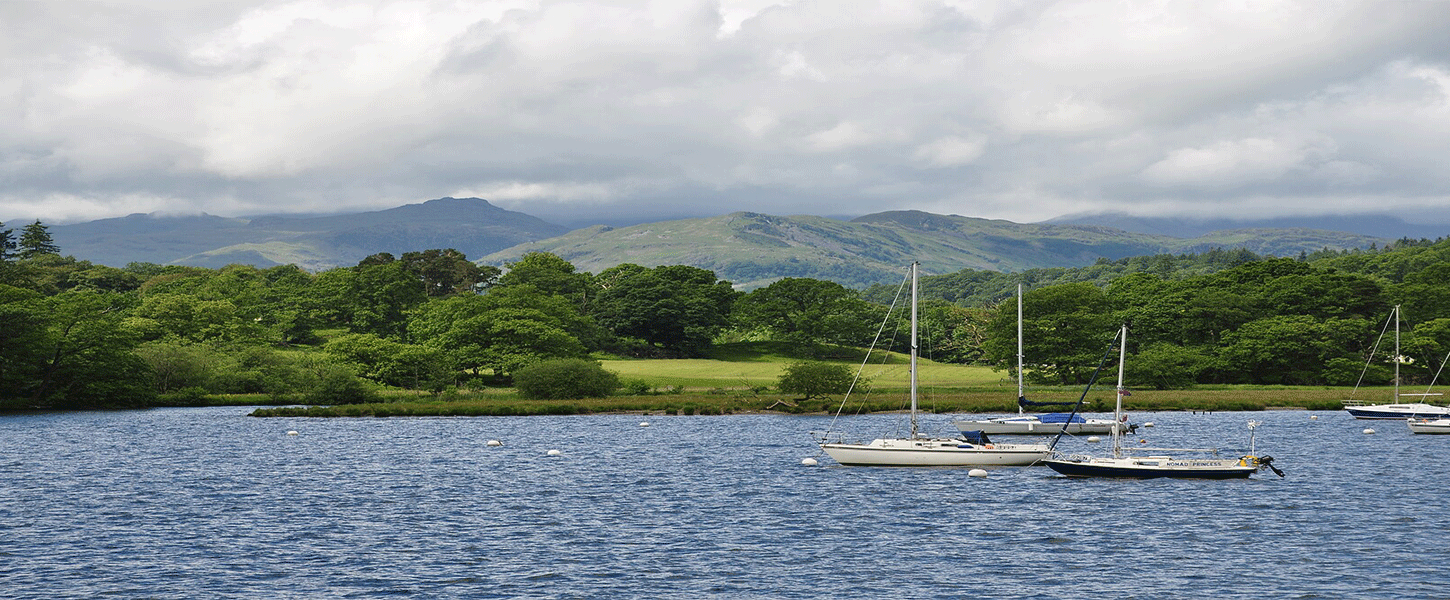
Recent UK news reports have highlighted the ongoing pollution issues at Lake Windermere.
Importance of Lake Conservation
Conserving lakes is essential for several reasons. Here are some of the key benefits:
- Biodiversity: Lakes support a diverse array of species, many of which are endemic and rely solely on these water bodies for survival.
- Water Supply: Lakes are a significant source of freshwater for drinking, agriculture, and industry.
- Climate Regulation: Lakes influence local and regional climates by regulating temperatures and influencing precipitation patterns.
- Recreation and Culture: Lakes offer recreational opportunities and hold cultural significance for many communities.
The Causes and Effects of Pollution
The pollution at Lake Windermere primarily stems from several sources:
- Agricultural Runoff: Fertilisers and pesticides used in nearby agricultural activities often wash into the lake, increasing nutrient levels and promoting algal blooms.
- Sewage Discharges: Inadequate sewage systems and occasional overflows can lead to untreated waste entering the lake.
- Tourism and Recreational Activities: The influx of tourists and recreational activities can contribute to littering and increased boat traffic, impacting water quality.
Authorities and environmental groups have expressed concerns over the increasing levels of phosphates and nitrates, which can lead to eutrophication; a process that depletes oxygen in the water and harms aquatic life.
Local campaigns and organisations are advocating for stricter regulations and improved sewage treatment facilities to mitigate these issues. Additionally, there is a push for greater public awareness and responsibility among visitors to preserve the lake’s natural beauty.
To protect our lakes and their ecosystems, we must undertake several actions:
- Pollution Control: Reduce pollution by minimising the use of fertilisers and pesticides near water bodies and promoting sustainable agricultural practices.
- Waste Management: Implement effective waste management systems to prevent litter and hazardous materials from entering lakes.
- Sustainable Development: Encourage responsible land use and urban planning to reduce habitat destruction and water extraction.
- Education and Advocacy: Efforts to educate the public and promote eco-friendly practices among tourists and locals are underway.
- Restoration Projects: Habitat restoration projects aim to improve the lake’s ecosystem and support biodiversity.
How Arvia Can Help
Arvia’s industrial wastewater treatment specialists create solutions that helps businesses to comply with the required water discharge legislation.
Arvia’s onsite Nyex™ Treatment Systems provide an industrial wastewater treatment solution in various applications relating to wastewater discharge, wastewater recycling and source water applications around the world.
Arvia’s design specialists optimise each system to preferentially treat the micropollutants found in wastewater streams, enabling the treated water to meet individual discharge regulations. In most cases, treated water is also safe for reuse as process water within the business. This saves utility costs and boosts positive Corporate Social Responsibility as pressures rise in relation to sustainable operations.
Nyex™ systems can be installed as a standalone treatment or retrofitted into an existing treatment train. The modular, flexible design ensures can be turned on and off according to demand, therefore Nyex™ water treatment systems offer flexibility to meet variable loading over time and accommodate future expansion.
Arvia’s water treatment products are modular in design and can fit in small spaces to address a particular pollutant in the effluent.
Arvia have fully equipped laboratories and their water treatment experts can help companies with optioneering to determine the best course of action for adhering to specific water treatment targets.
Conclusion
World Lake Day serves as a reminder of the collective responsibility to protect and preserve our lakes for future generations. By addressing pollution at such as those at Lake Windermere and other water bodies, we can ensure that these natural resources remain vibrant and healthy for years to come.
More featured articles
07.7.2025

The UWWTD is a pivotal piece of legislation in the EU protecting the environment from the adverse effects of urban wastewater discharge.
07.21.2025

This article explores how EDCs enter the waterways, the impacts on health and how the UWWTD is aiming to address the problems.
05.6.2025
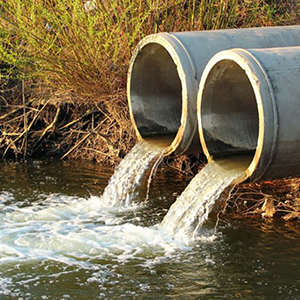
In this article we evaluate the challenges of tackling wastewater in the Chemical Industry and sustainable ways to reuse wastewater.
Our wastewater treatment expertise
Our water technology can be used to treat a variety of water treatment applications. Once we understand the nature of your wastewater and your final water quality target, our water treatment specialists can make recommendations as to how best to treat your water. Take a look at some of the Nyex applications here:
Need help? Speak with an expert