Articles / Aquaculture / insights / Water pollution / Water technology
World Fisheries Day 2025
World Fisheries Day 2025
November 21, 2025
World Fisheries Day 2025
World Fisheries Day, celebrated annually on November 21st, is a significant event that highlights the critical role of fisheries and the people who depend on them. It is an opportunity to reflect on sustainable practices, the health of aquatic ecosystems, and the livelihoods of millions worldwide. In 2025, the day promises to be more crucial than ever as global challenges continue to mount.

World Fisheries Day is a global initiative dedicated to highlighting the importance of fisheries and aquaculture in ensuring the well-being of our planet and its inhabitants.
What is World Fisheries Day?
World Fisheries Day, observed annually on November 21, is a global initiative dedicated to highlighting the importance of fisheries and aquaculture in ensuring the well-being of our planet and its inhabitants.
This day serves as a reminder of the critical role that fisheries play in providing food, employment, and economic opportunities for millions of people worldwide.
The Significance of Fisheries
World Fisheries Day extends beyond just celebrating the fishing industry. It emphasises the essential role that fisheries play in providing food security, sustaining livelihoods, and supporting economies, particularly in coastal regions. Over 500 million people worldwide depend on fisheries and aquaculture for their livelihoods, and fish remains a crucial source of protein for millions.
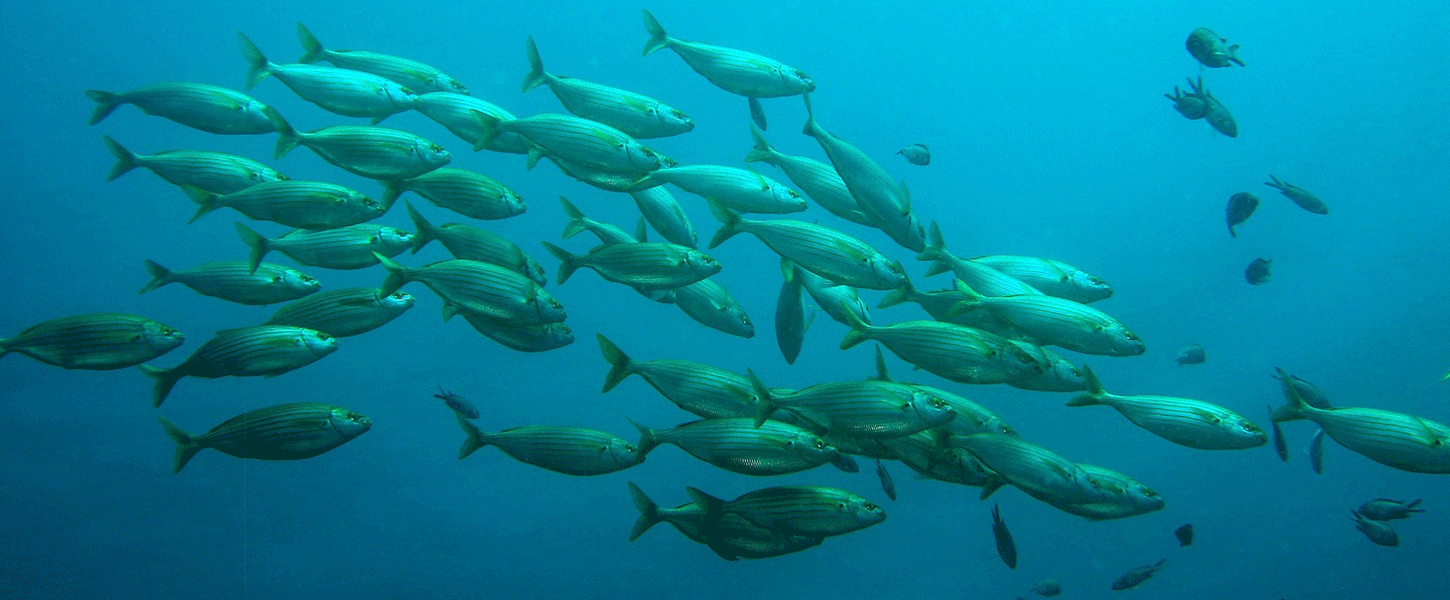
World Fisheries Day 2025 focusses on several key themes that are critical to ensuring the sustainability of global fisheries.
Key Themes of World Fisheries Day
World Fisheries Day 2025 focusses on several key themes that are critical to ensuring the sustainability of global fisheries:
- Sustainable Fishing Practices: Highlighting methods that reduce overfishing and bycatch and support the health of marine ecosystems.
- Marine Conservation: Promoting the protection of marine habitats, such as coral reefs and mangroves, which are vital for the health of fish populations.
- Community Empowerment: Encouraging the participation of local fishing communities in decision-making processes and ensuring their rights and access to resources.
- Climate Change Impact: Addressing how climate change affects fish stocks and advocating for adaptive strategies to mitigate its effects.
Protecting Marine Life
The fishing industry is worried about over-fishing and other countries’ boats ‘poaching’ their stocks.
Over-fishing can be controlled by international co-operation as was proven in the North Sea for many years, whilst unlicensed fishing normally requires rather more forcible means to enforce.
The other less spoken-about issue facing the whole of the fishing industry is that of pollution which is also responsible for depleting stocks and will have more of an impact in the future. We’re not talking about microplastics or human waste, although these are real problems too.
What we are focussing on is far more insidious: families of chemicals that do not easily break down in water – essentially chemicals that will continue to pollute for many years.
These chemicals – PFAS, endocrine disruptors and many antibiotics, are present in ever-growing amounts in river and sea water and pose a far bigger threat to the whole of the fishing industry.
How Arvia is Supporting the Fishing Industry
Arvia is helping the fishing industry by providing advanced tertiary wastewater treatment systems that remove a wide range of pollutants to enable water reuse and meet discharge regulations.
Our unique electrochemical and adsorption processes can remove persistent contaminants like pesticides, pharmaceuticals, and PFAS (forever chemicals) to very low levels.
Arvia’s Technology Contributes to:
Improved Fish Health
- Treats water contaminated by pesticides and antibiotics used to control sea lice and other diseases, leading to healthier fish.
- Fish raised in treated water have shown greater disease resistance.
Enhanced Product Quality
- Removes compounds like geosmin that cause an earthy taste, improving the flavour and quality of fish for consumers.
- Fish in treated water have been shown to grow faster and put on weight more quickly.
Sustainability and Environmental Benefits
- Allows for the recycling of treated water, which can be reused for operations or discharged back to the environment safely.
- Helps facilities meet sustainability goals by treating their wastewater effectively.
- Reduces the need for chemical dosing, as the technology uses a combination of adsorption and oxidation.
Conclusion
World Fisheries Day 2025 is a pivotal event for advocating the sustainable use of marine resources and fostering global cooperation among governments, NGOs, scientists, and local communities. By raising awareness and promoting sustainable practices, World Fisheries Day aims to ensure that future generations can continue to enjoy the bounty of the seas.
More featured articles
07.14.2025

Our latest article examines the impact of antidepressants on aquatic life and how their effective removal from water reduces environmental harm.
07.21.2025
This article explores how EDCs enter the waterways, the impacts on health and how the UWWTD is aiming to address the problems.
05.6.2025
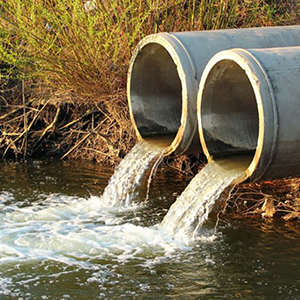
In this article we evaluate the challenges of tackling wastewater in the Chemical Industry and sustainable ways to reuse wastewater.
Our wastewater treatment expertise
Our water technology can be used to treat a variety of water treatment applications. Once we understand the nature of your wastewater and your final water quality target, our water treatment specialists can make recommendations as to how best to treat your water. Take a look at some of the Nyex applications here:
Need help? Speak with an expert