Articles / Battery Recycling / insights / Water pollution / Water technology
Concerns of Bis-FASIs in Lithium-Ion Batteries
Concerns of Bis-FASIs in Lithium-Ion Batteries
November 7, 2025
Concerns of Bis-FASIs in Lithium-Ion Batteries
Lithium-ion batteries have become an integral component of the clean energy infrastructure, serving as the driving force behind the shift towards sustainable energy solutions. These batteries are widely used in electric vehicles (EVs) and numerous electronic devices, and their demand is expected to increase dramatically over the next decade.
Recent research has raised concerns about the prevalence of Bis-FASIs in Lithium-Ion batteries; a sub-class of per- and polyfluoroalkyl substances (PFAS), which pose a long-term threat to the environment.

Bis-FASIs are a subclass of PFAS and have been found in lithium-ion batteries.
PFAS in Lithium Ion Batteries
In recent years, the global demand for lithium-ion batteries has surged, driven by the proliferation of electronic devices and the push toward renewable energy solutions. However, a study published on July 8 in Nature Communications: Lithium-ion battery components are at the nexus of sustainable energy and environmental release of per- and polyfluoroalkyl substances by Jennifer Guelfo, Lee Ferguson and colleagues from Texas Tech University and Duke University, NC have unveiled a concerning environmental issue linked to these indispensable power sources.
The research highlights the production and disposal of lithium-ion batteries as an increasing source of a troubling subclass of per- and polyfluoroalkyl substances (PFAS), specifically bis-perfluoroalkyl sulfonimides (bis-FASIs).
What are PFAS?
PFAS, often referred to as “forever chemicals,” are a group of manufactured compounds known for their persistence in the environment and potential health risks. Historically, compounds like perfluorooctanoic acid (PFOA) and GenX have been at the forefront of environmental and health concerns. PFAS are used in a wide range of industrial applications due to their resistance to heat, water, and oil.
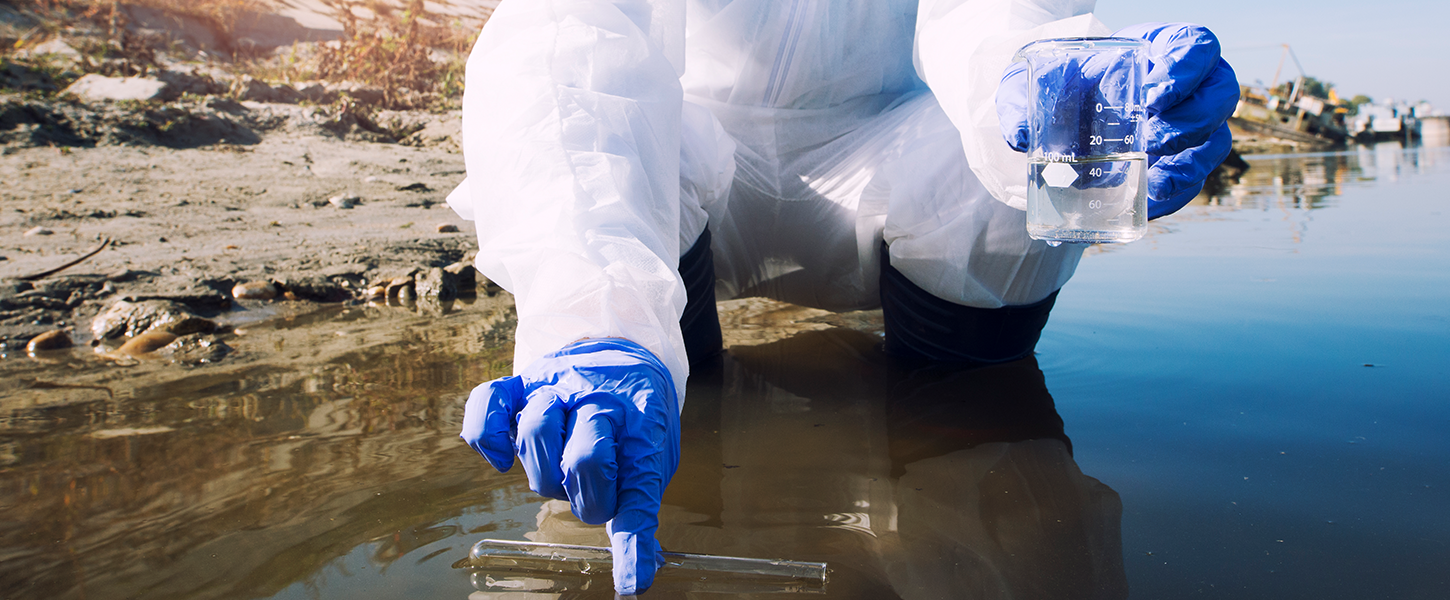
The chemical structure of bis-FASIs contribute to their environmental persistence and toxicity.
The Rise of Bis-FASIs
The recent discovery of a particularly hazardous PFAS variant called bis-perfluoroalkyl sulfonimides (bis-FASIs) in lithium batteries has heightened environmental concerns.
These emerging contaminants are used in the manufacturing of lithium-ion batteries, providing essential functions such as enhancing the battery’s thermal stability and efficiency. However, their chemical structure also contributes to their environmental persistence and toxicity.
Environmental Persistence and Ecotoxicity
The study highlights that bis-FASIs exhibit environmental persistence and ecotoxicity comparable to the more notorious PFAS compounds like PFOA and GenX. This persistence means that once released into the environment, bis-FASIs can remain for extended periods, accumulating in the ecosystem and potentially entering the food chain. Their toxic effects on aquatic life and other organisms raise significant concerns about long-term ecological impacts.
Implications and Future Directions
The identification of bis-FASIs as a contaminant from lithium-ion battery production and disposal underscores the need for comprehensive strategies to mitigate their release. This includes improving recycling processes, developing alternative materials, and enforcing stricter regulations on the use of such chemicals.
The findings by Guelfo, Ferguson et al call for increased awareness and research into the environmental and health impacts of bis-FASIs. As the world continues to rely on lithium-ion batteries for technological advancement and the transition to cleaner energy, balancing innovation with environmental stewardship becomes ever more crucial.
How Arvia can help
Arvia’s Ellenox™ systems can offer a permanent and easy-to-commission solution for polluted water used in battery recycling. The lithium batteries contain a wide range of recalcitrant organics, and their Nyex technology can remove over 95% of TOC from the battery wastewater.
Arvia has also pioneered a unique technological solution to tackle our planet’s PFAS challenge head-on. Using advanced electrochemical oxidation, our PFAS wastewater treatment system ensures complete destruction of “Forever Chemicals” without harmful secondary waste. Scalable and sustainable, it helps industries meet regulations while safeguarding water and public health.
Nyex Florenox™ Reactors represent the next generation of Arvia’s electrochemical oxidation technology, built to perform efficiently at low pressure and temperature. The EO process relies on the mass transfer of PFAS to the electrode surface, which is optimised by Florenox advanced 3-D anode. These innovations make Florenox highly efficient and eco-friendly solution for PFAS wastewater treatment.
For more information visit our Battery Recycling page.
Conclusion
The study serves as a critical reminder of the complex challenges associated with modern technological advancements. Addressing the environmental and health implications of bis-FASIs requires a collaborative effort from scientists, policymakers, and industry leaders to ensure a sustainable future. By prioritising research and innovation in safer alternatives, society can continue to enjoy the benefits of lithium-ion technology while protecting the planet.
More featured articles
09.1.2025
This article explores the circular society and will discuss the new rules for recycling efficiency and material recovery from waste batteries.
09.15.2025
This article explores the EU Battery Regulation and will discuss the objectives, key provisions and the enforcement of the regulations.
10.29.2025
This article explores the effects of improper battery disposal on aquatic and terrestrial animal and discusses how to mitigate the effects.
Our wastewater treatment expertise
Our water technology can be used to treat a variety of water treatment applications. Once we understand the nature of your wastewater and your final water quality target, our water treatment specialists can make recommendations as to how best to treat your water. Take a look at some of the Nyex applications here:
Need help? Speak with an expert