Articles / insights / Sustainability / Water pollution / Water technology
Circular Economy: Revolutionising Battery Recycling
Circular Economy: Revolutionising Battery Recycling
September 1, 2025
Circular Economy: Revolutionising Battery Recycling
In our rapidly evolving world, the demand for batteries is surging due to the proliferation of electronic devices and the shift towards renewable energy sources. This rise in demand calls for a more sustainable approach to managing battery waste. The circular economy presents a promising solution, emphasising the importance of keeping materials in use for as long as possible through recycling and recovery. Recent regulatory changes aim to enhance recycling efficiency and bolster material recovery from waste batteries.
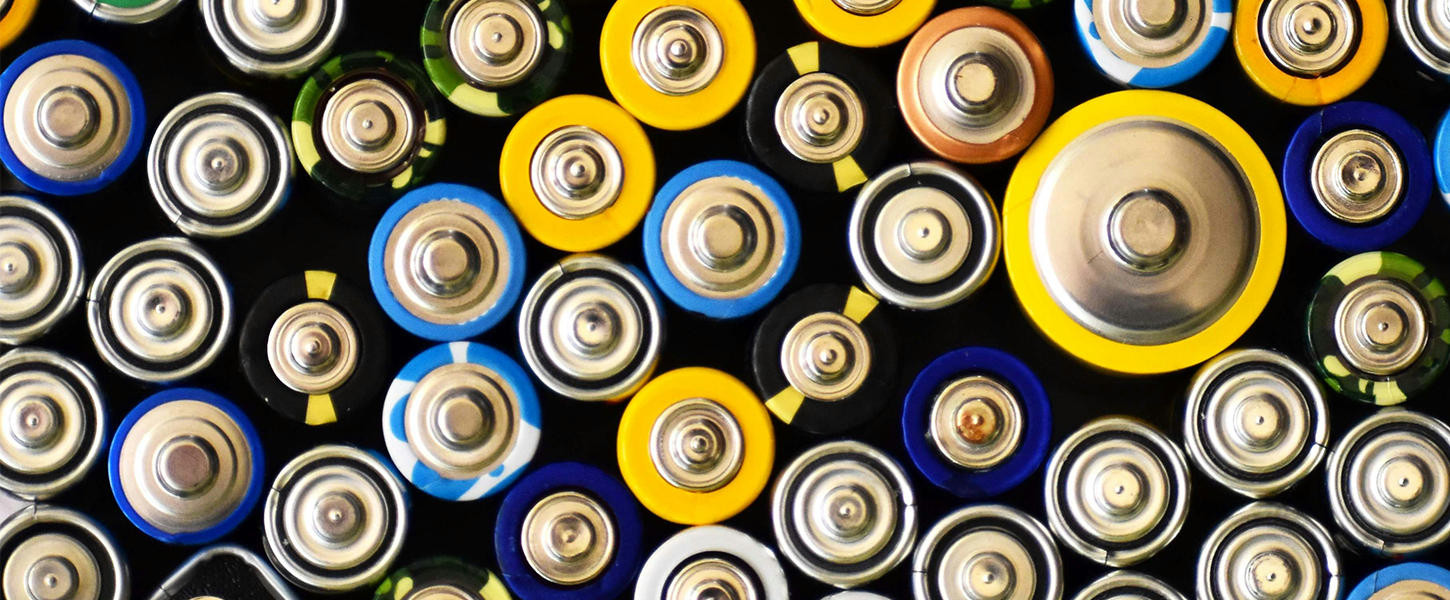
The demand for batteries is surging due to the proliferation of electronic devices.
Understanding the Circular Economy
The circular economy is an economic system aimed at minimising waste and making the most of resources. Unlike the traditional linear economy, which follows a “take, make, dispose” model, the circular economy encourages reuse, repair, refurbishment, and recycling. This model not only reduces environmental impact but also fosters innovation, economic growth, and job creation.
The Challenge of Battery Waste
Batteries, especially those used in electronic devices and electric vehicles, pose significant environmental challenges when improperly disposed of. They contain hazardous materials that can lead to soil and water contamination. Additionally, the extraction of raw materials for batteries, such as lithium, cobalt, and nickel, has substantial environmental and ethical implications.
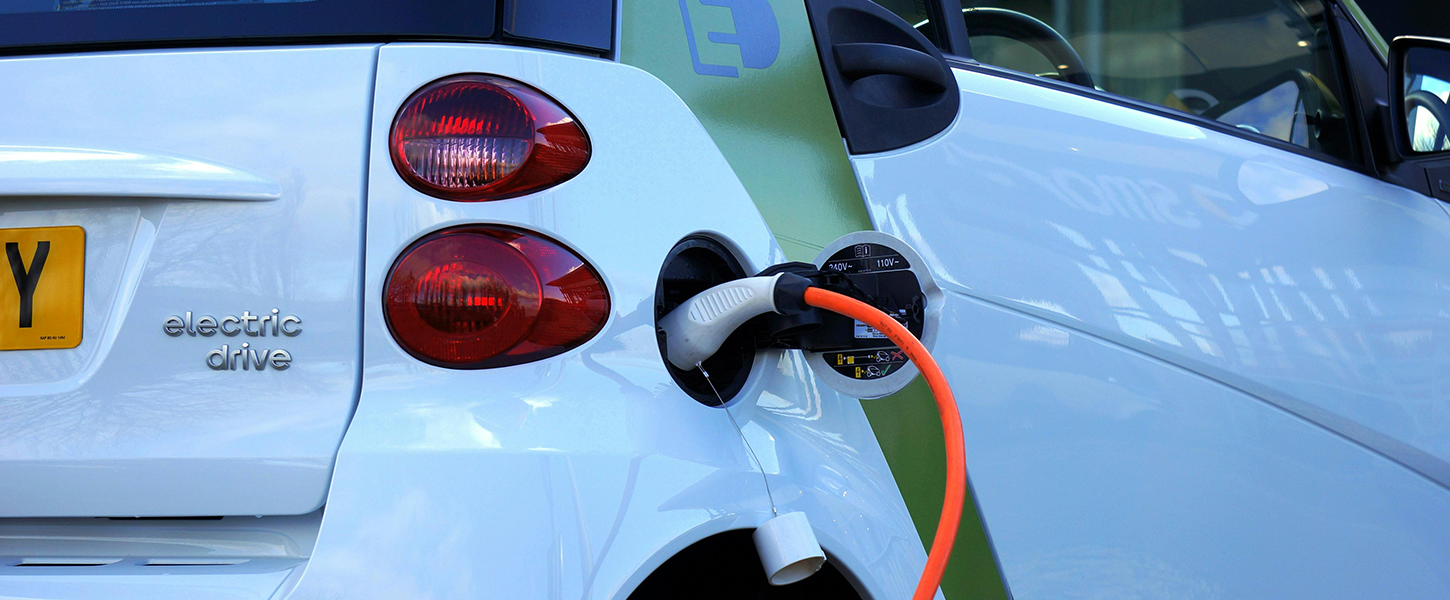
Batteries in electric vehicles pose significant environmental challenges when improperly disposed of.
New Rules for Recycling Efficiency
To address these challenges, several countries and regions are implementing new regulations to improve the recycling and material recovery of waste batteries. Key elements of these new rules include:
- Higher Recycling Targets: Governments are setting ambitious recycling targets to ensure a significant percentage of battery materials are recovered and reintroduced into the production cycle.
- Extended Producer Responsibility (EPR): Manufacturers are being held accountable for the entire lifecycle of their products, including end-of-life management. This encourages the design of batteries that are easier to recycle.
- Advanced Collection Systems: Enhanced systems for collecting waste batteries are being developed to increase the quantity and quality of recyclable materials.
- Improved Recycling Technologies: Investment in research and development is fostering the creation of innovative recycling technologies that can efficiently recover valuable materials from batteries.
Benefits of Enhanced Recycling
The implementation of these new rules brings numerous benefits, including:
- Environmental Protection: By reducing the need for raw material extraction and minimising hazardous waste, the new regulations significantly mitigate environmental harm.
- Resource Efficiency: Recovering materials from waste batteries reduces dependency on finite natural resources and promotes their efficient use.
- Economic Opportunities: The growing recycling industry creates jobs and stimulates economic growth by fostering new business models and technologies.
- Energy Savings: Recycling materials often requires less energy than extracting and processing raw materials, contributing to overall energy conservation.
How Arvia Can Help
Arvia is one of the world’s leading manufacturers of electrochemical water treatment products. With design, manufacturing, and R&D in the UK, they also have labs in India, a facility in China and have expanded into the US.
Arvia’s treatment systems include Nyex Florenox, Nyex Rosalox and Nyex Ellenox – three revolutionary systems specifically designed for tertiary water treatment.
Our advanced technologies have numerous benefits associated with purifying and reusing water in lithium-ion battery recycling, reducing waste and the environmental footprint. This innovative approach supports the circular economy and aligns with global sustainability goals, making Arvia Technology essential in the shift to a greener future.
Moving Forward
Adopting a circular economy approach for battery waste management is a critical step towards sustainability. As new rules encourage higher recycling efficiency and material recovery, collaboration among governments, businesses, and consumers is essential to ensure their success. By working together, we can create a more sustainable future, where resources are used responsibly, and waste is minimised.
The circular economy model not only addresses environmental challenges but also drives innovation and economic resilience, paving the way for a cleaner, greener world.
More featured articles
07.21.2025
This article explores how EDCs enter the waterways, the impacts on health and how the UWWTD is aiming to address the problems.
05.6.2025
In this article we evaluate the challenges of tackling wastewater in the Chemical Industry and sustainable ways to reuse wastewater.
07.7.2021

Why any company that discharges water needs to be ready to be put under the microscope.
Our wastewater treatment expertise
Our water technology can be used to treat a variety of water treatment applications. Once we understand the nature of your wastewater and your final water quality target, our water treatment specialists can make recommendations as to how best to treat your water. Take a look at some of the Nyex applications here:
Need help? Speak with an expert