Articles / insights / Specialty chemicals / Water technology
Zero Liquid Discharge in Specialty Chemicals
Zero Liquid Discharge in Specialty Chemicals
February 13, 2026
Zero Liquid Discharge in Specialty Chemicals
The Specialty Chemicals industry plays a critical role in enabling high-value applications across pharmaceuticals, agrochemicals, and coatings. However, the sector is also characterised by complex wastewater streams containing recalcitrant organics, high chemical oxygen demand (COD), toxic intermediates, and variable salinity.
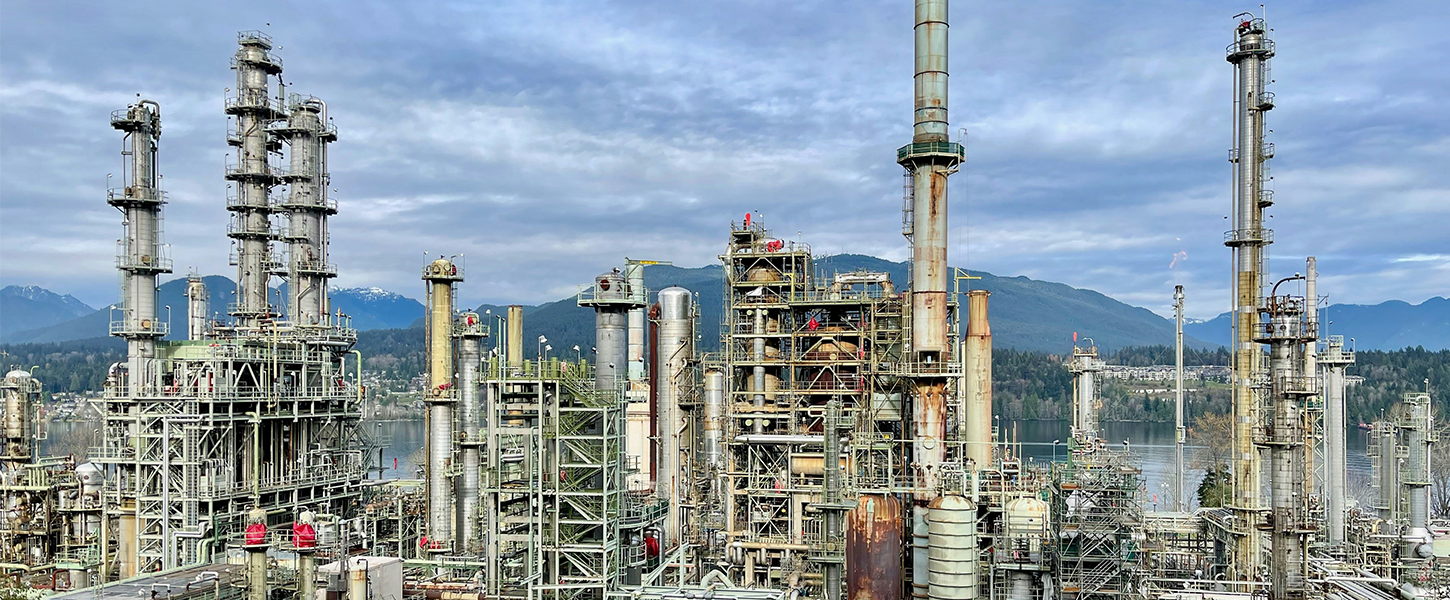
The Specialty Chemicals industry is characterised by complex wastewater streams.
Zero Liquid Discharge in Specialty Chemicals
As environmental regulations tighten and water scarcity intensifies, zero liquid discharge (ZLD) has emerged as a strategic imperative for specialty chemical manufacturers. Among the advanced treatment technologies enabling ZLD, electrochemical oxidation (EO) is gaining increasing attention due to its effectiveness, controllability, and compatibility with complex effluents.
What is ZLD in Specialty Chemicals?
Zero liquid discharge refers to a wastewater management approach in which process effluents are treated, purified, and reused within the facility, leaving no liquid waste for off-site discharge. Traditional ZLD systems typically rely on a combination of physicochemical treatment, biological processes, membrane filtration, evaporation, and crystallisation. While effective, these systems can struggle with specialty chemical effluents due to toxicity, poor biodegradability, membrane fouling, and high operating costs. Electrochemical oxidation offers a complementary and, in some cases, transformative solution.
Implementing ZLD systems can:
- Enhance Environmental Compliance: By ensuring no liquid waste is released, companies can meet stringent environmental regulations and reduce their ecological footprint.
- Promote Resource Recovery: ZLD systems allow for the recovery of valuable by-products from wastewater, which can be reused in the production process.
- Reduce Water Usage: By recycling and reusing water within the system, ZLD minimises the need for freshwater intake, which is crucial in water-scarce areas.
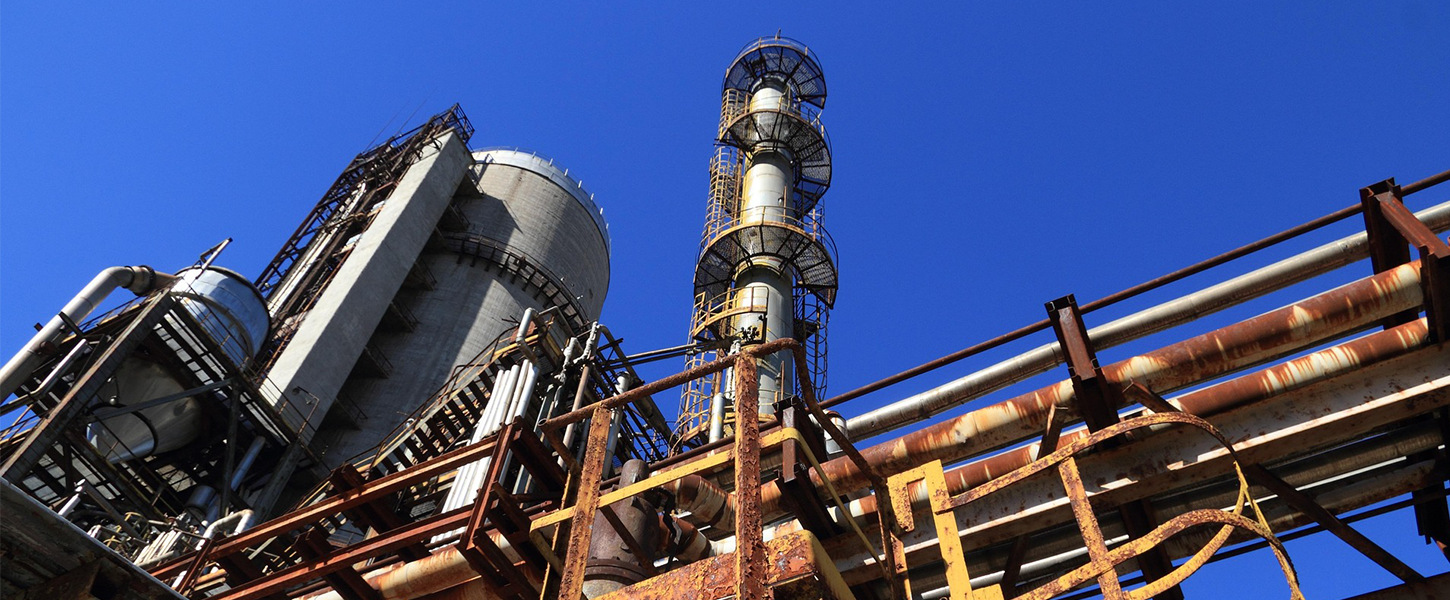
Implementing ZLD systems can enhance environmental compliance and promote resource recovery.
Benefits of Implementing Arvia’s ZLD Solution
Key advantages of Arvia’s ZLD solution are its operational flexibility. Its Nyex™ wastewater treatment can be rapidly started or stopped, scaled modularly, and automated with minimal operator intervention. This is particularly valuable in specialty chemical plants, where batch operations and fluctuating wastewater compositions are common.
Arvia’s Nyex innovative adsorptive media offer considerable savings compared with using other technologies like Granular Active Carbon which requires off-site removal of toxic sludge.
Decarbonisation and Sustainability
From a sustainability perspective, electrochemical oxidation aligns well with the specialty chemicals industry’s decarbonisation and circular economy goals. When powered by renewable electricity, Nyex enables low-carbon wastewater treatment while maximising water reuse. Furthermore, by enabling effective ZLD implementation, EO reduces freshwater withdrawal, eliminates regulatory discharge risks, and supports long-term water security.
Conclusion
Electrochemical oxidation represents a powerful enabling technology for achieving zero liquid discharge in the specialty chemicals sector. By addressing the unique challenges posed by complex and recalcitrant effluents, EO enhances treatment robustness, improves water recovery, and supports regulatory compliance and sustainability objectives. As electrode materials and power electronics continue to advance, the role of electrochemical oxidation in specialty chemical ZLD systems is expected to expand significantly.
More featured articles
02.6.2026
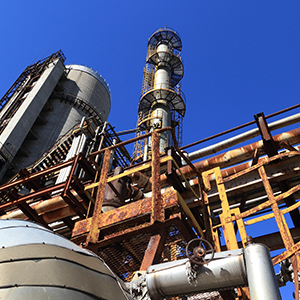
This article explores the process and importance of blowdown wastewater treatment in the specialty chemicals industry.
01.12.2026
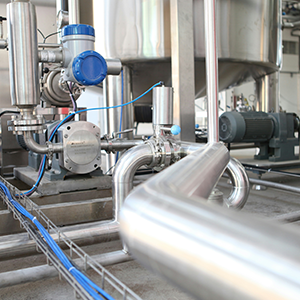
In our latest article, we explore the 2026 wastewater regulations that are expected to impact the Specialty Chemicals industry.
01.30.2026
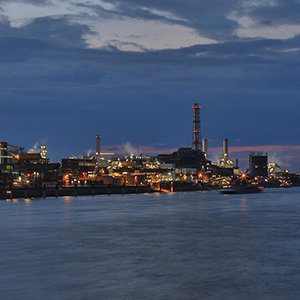
This article examines the unique challenges of wastewater treatment in the Specialty Chemicals Industries.
Our wastewater treatment expertise
Our water technology can be used to treat a variety of water treatment applications. Once we understand the nature of your wastewater and your final water quality target, our water treatment specialists can make recommendations as to how best to treat your water. Take a look at some of the Nyex applications here:
Need help? Speak with an expert