Articles / insights / Specialty chemicals / Water technology
Wastewater Treatment in Specialty Chemicals
Wastewater Treatment in the Specialty Chemicals Industry
January 30, 2026
Wastewater Treatment in the Specialty Chemicals Industry
Due to the diverse nature of intermediates used in the manufacturing of chemicals, wastewater streams vary significantly in terms of composition. The intermediates are often toxic, mutagenic, carcinogenic or non-biodegradable which present unique challenges for traditional wastewater treatment processes.

The specialty chemicals industry plays a crucial role in manufacturing diverse and essential chemical products.
Wastewater Treatment in the Specialty Chemicals Industry
The specialty chemicals industry plays a crucial role in manufacturing diverse and essential chemical products. However, the wastewater generated from these processes poses significant environmental challenges due to its complex and hazardous composition. One of the critical concerns in this context is the presence of per- and polyfluoroalkyl substances (PFAS), which are particularly persistent and challenging to treat.
Understanding PFAS
PFAS, often referred to as “forever chemicals,” are a group of synthetic compounds widely used for their water and oil-repellent properties. They are found in numerous products, including non-stick cookware, water-resistant clothing, and certain firefighting foams. Due to their strong carbon-fluorine bonds, PFAS are highly resistant to degradation, making them persistent in the environment and difficult to remove from wastewater streams.
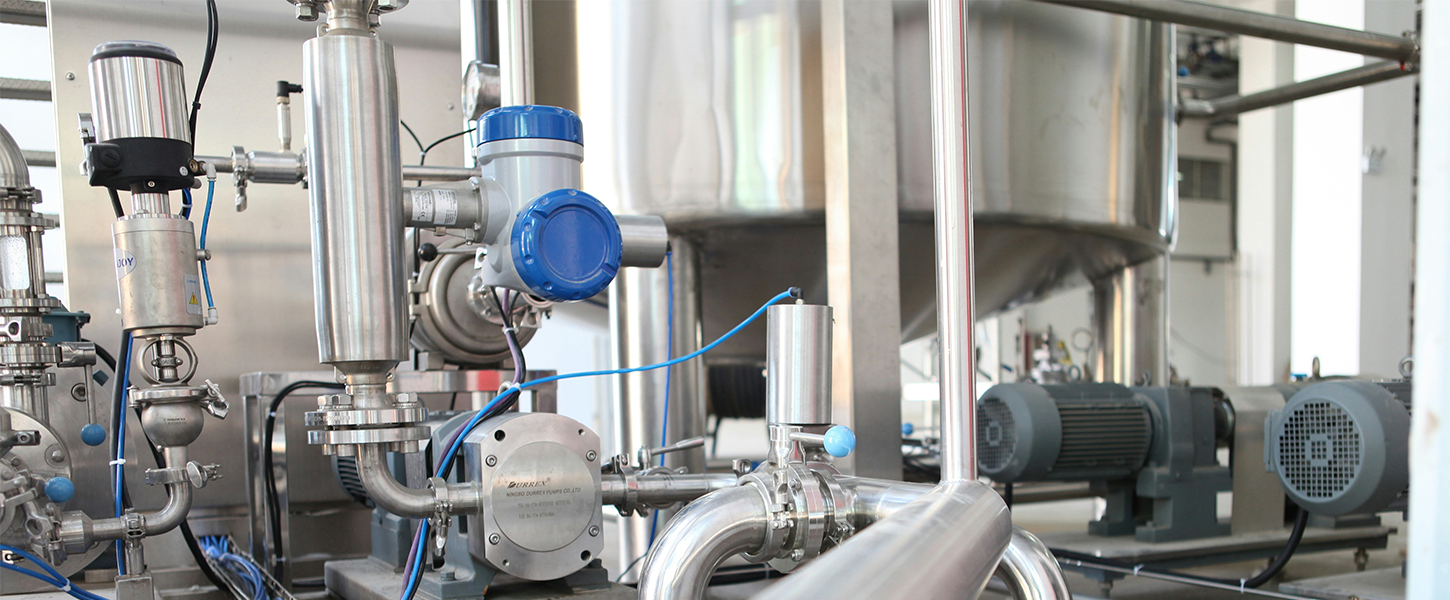
The specialty chemicals industry plays a crucial role in manufacturing diverse and essential chemical products
Characteristics of PFAS
- Persistence: PFAS are known for their long-lasting presence in the environment and human body.
- Bioaccumulation: They can accumulate in living organisms, leading to potential health risks.
- Toxicity: Some PFAS compounds have been linked to adverse health effects, including cancer, liver damage, and developmental issues.
Challenges in Treating PFAS in Wastewater
Given their stable chemical structure, PFAS present unique challenges for traditional wastewater treatment processes. Standard treatment methods often fall short in effectively removing these compounds, necessitating more advanced approaches.
Composition of Wastewater Streams
The composition of wastewater in the specialty chemicals industry is highly variable, influenced by the diverse range of intermediates used in manufacturing. These intermediates can be:
- Toxic: Harmful to both aquatic life and human health.
- Mutagenic: Capable of causing genetic mutations.
- Carcinogenic: Linked to cancer development.
- Non-biodegradable: Resistant to natural breakdown processes.
Traditional Treatment Limitations
Traditional wastewater treatment processes, such as primary sedimentation, biological treatment, and chemical coagulation, often struggle to adequately address the complex nature of wastewater from the specialty chemicals industry. These methods may be insufficient for degrading or removing PFAS and other persistent pollutants, necessitating innovative treatment solutions.
How Arvia is helping the Specialty Chemical industry
Arvia has pioneered a unique technological solution to tackle our planet’s PFAS challenge head-on. Using advanced electrochemical oxidation, our PFAS wastewater treatment system ensures complete destruction of ‘Forever Chemicals’ without harmful secondary waste. Scalable and sustainable, it helps industries meet regulations while safeguarding water and public health.
Nyex Florenox™ reactors represent the next generation of Arvia’s electrochemical oxidation technology, built to perform efficiently at low pressure and temperature. The EO process relies on the mass transfer of PFAS to the electrode surface, which is optimised by Florenox advanced 3-D anode. These innovations make Florenox highly efficient and eco-friendly solution for PFAS wastewater treatment.
Conclusion
The treatment of wastewater in the specialty chemicals industry, particularly concerning PFAS, requires a multifaceted approach that combines traditional methods with advanced technologies. By understanding the unique challenges posed by PFAS and leveraging innovative treatment solutions, the industry can mitigate environmental impacts and protect public health more effectively. As research and technology continue to evolve, it is essential to adapt and refine treatment strategies to address emerging pollutants and ensure sustainable industrial practices.
More featured articles
01.12.2026
In our latest article, we explore the 2026 wastewater regulations that are expected to impact the Specialty Chemicals industry.
02.6.2026
This article explores the process and importance of blowdown wastewater treatment in the specialty chemicals industry.
01.30.2026
This article examines the unique challenges of wastewater treatment in the Specialty Chemicals Industries.
Our wastewater treatment expertise
Our water technology can be used to treat a variety of water treatment applications. Once we understand the nature of your wastewater and your final water quality target, our water treatment specialists can make recommendations as to how best to treat your water. Take a look at some of the Nyex applications here:
Need help? Speak with an expert