Articles / insights / Specialty chemicals / Water technology
Carbon Oxygen Demand in Specialty Chemicals
Carbon Oxygen Demand in Specialty Chemicals
February 23, 2026
Carbon Oxygen Demand in Specialty Chemicals
Carbon Oxygen Demand (COD) plays a vital role in environmental science, especially concerning water quality. In specialty chemicals, monitoring COD helps ensure that wastewater meets regulatory standards, protecting aquatic ecosystems and human health. Understanding COD can lead to more sustainable practices in chemical manufacturing.

Understanding COD can lead to more sustainable practices in chemical manufacturing.
Carbon Oxygen Demand in Specialty Chemicals
Carbon Oxygen Demand (COD) is a crucial metric in the field of environmental science, particularly when dealing with water quality. It refers to the amount of oxygen that is needed to oxidise soluble and particulate organic matter in water. In the context of the specialty chemicals sector, COD is an important measure used to assess the potential pollution caused by wastewater discharged from chemical manufacturing processes.
Why is COD a Problem?
The specialty chemicals sector is known for producing a wide range of products, including coatings, agrochemicals, and adhesives, among others. The production processes for these chemicals often generate wastewater that contains various organic pollutants. High levels of COD in this wastewater indicate a significant presence of organic pollutants that can deplete oxygen levels in receiving water bodies upon discharge. This depletion of oxygen can lead to:
- Aquatic Life Harm: Reduced oxygen levels can suffocate fish and other aquatic organisms, leading to a decline in biodiversity.
- Eutrophication: Excessive nutrients can lead to algal blooms, which further reduce oxygen levels and create dead zones in water bodies.
- Water Quality Degradation: High COD levels can make water bodies unsuitable for recreational activities, drinking, or agricultural use.
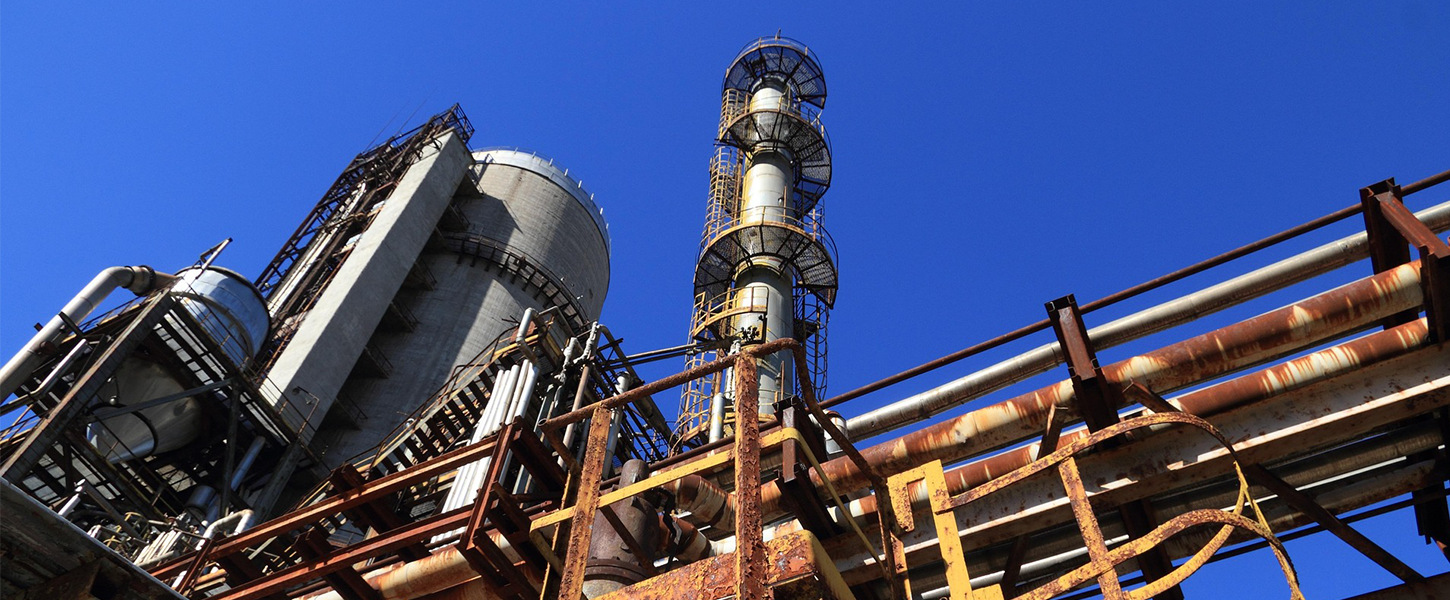
Regular monitoring of COD levels in wastewater is essential to ensure compliance with environmental regulations.
COD in Wastewater Treatment
Addressing COD in the specialty chemicals sector involves implementing effective wastewater treatment strategies to reduce the organic load before discharge.
Primary and secondary treatments remove around 75-85% COD, but the hard-to-treat COD remains. Typically, legislation for COD discharge is from below 120 mg/L in the EU to below 50 mg/L in China and therefore to meet regulatory standards, additional treatment is often required.
How to Reduce COD in Wastewater
Arvia’s on site Nyex™ treatment systems provide a successful treatment solution for reducing recalcitrant COD in wastewater.
Systems can be retrofitted into an existing treatment train to improve treatment capacity or as a standalone process, dependant on removal requirements.
Nyex systems provide a chemical free and environmentally sound solution which allows for wastewater to be safely reclaimed and reused for other purposes within the business, saving money and addressing high water demands in times of shrinking supplies.
Monitoring and Compliance
Regular monitoring of COD levels in the wastewater is essential to ensure compliance with environmental regulations. This involves:
- Sampling and Testing: Routine analysis of wastewater samples to measure COD and ensure that it remains within permissible limits.
- Process Optimisation: Adjusting production processes and treatment strategies to minimise organic pollutant generation.
Conclusion
Managing carbon oxygen demand is crucial for the specialty chemicals sector to minimise environmental impact and comply with regulatory standards. By understanding the implications of COD and employing effective wastewater treatment strategies, this industry can significantly reduce its environmental footprint and contribute to the sustainability of water resources.
More featured articles
02.6.2026
This article explores the process and importance of blowdown wastewater treatment in the specialty chemicals industry.
01.12.2026
In our latest article, we explore the 2026 wastewater regulations that are expected to impact the Specialty Chemicals industry.
01.30.2026

This article examines the unique challenges of wastewater treatment in the Specialty Chemicals Industries.
Our wastewater treatment expertise
Our water technology can be used to treat a variety of water treatment applications. Once we understand the nature of your wastewater and your final water quality target, our water treatment specialists can make recommendations as to how best to treat your water. Take a look at some of the Nyex applications here:
Need help? Speak with an expert