Articles / Battery Recycling / insights / Water pollution / Water technology
The Wastewater Dilemma in Battery Manufacturing and Waste
The Wastewater Dilemma in Battery Manufacturing and Waste
October 15, 2025
The Wastewater Dilemma in Battery Manufacturing and Waste
The rapid advancement of technology has led to an increased demand for batteries, particularly in the realm of electric vehicles, portable electronics, and renewable energy storage systems. While batteries are essential for modern life, their production and recycling pose significant environmental challenges, particularly concerning wastewater management.
This article explores the challenges associated with wastewater generated during manufacturing and battery recycling and discusses potential solutions to mitigate these issues.
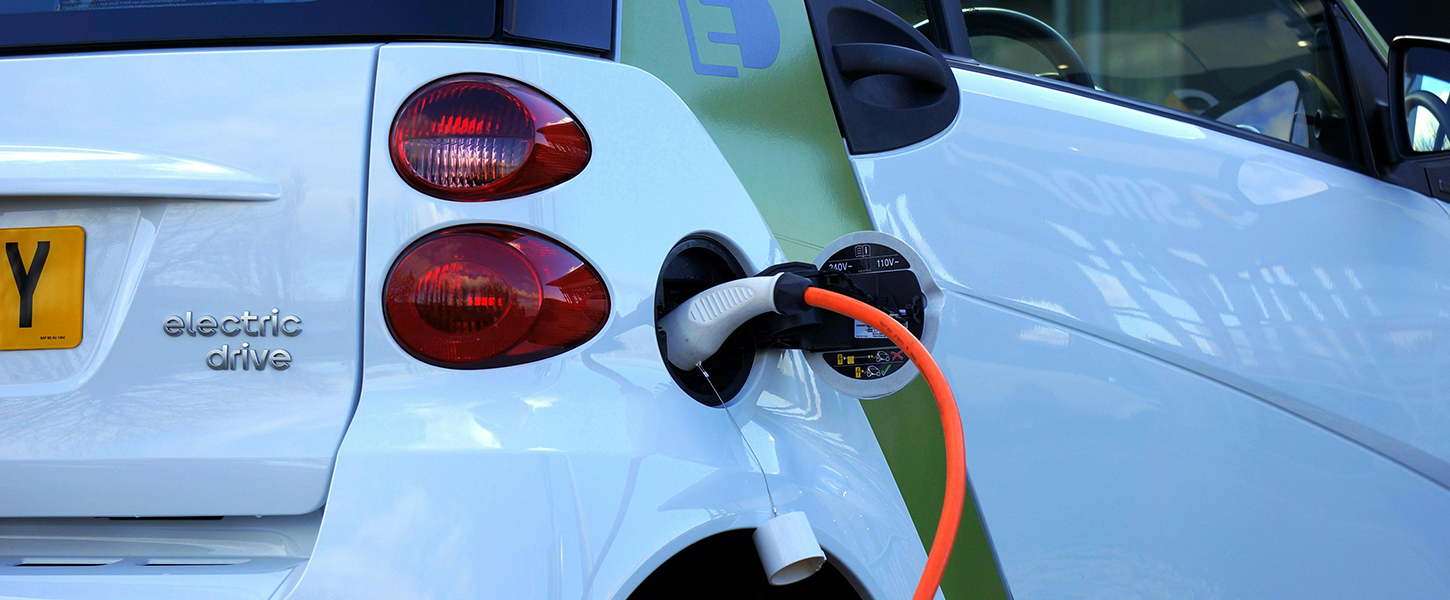
The rapid advancement of technology has led to an increased demand for batteries.
The Wastewater Dilemma in Battery Recycling
In the quest for sustainable energy solutions, battery recycling has emerged as a critical component in minimising environmental impact and conserving valuable resources. However, this process is not without its challenges, one of which is the wastewater dilemma.
During the battery recycling process, various chemical reactions and treatments are employed to extract valuable materials like lithium, nickel, and cobalt. These processes often generate significant amounts of wastewater, laden with harmful pollutants and heavy metals. The dilemma arises from the need to manage this wastewater effectively to prevent it from contaminating natural water sources and harming ecosystems.
Wastewater Challenges in Battery Manufacturing
Contaminants in Wastewater
The production of batteries involves a variety of chemical processes that can generate wastewater containing harmful contaminants. Key pollutants often found in battery manufacturing wastewater include:
- Heavy Metals: Metals such as lead, cadmium, nickel, and lithium are commonly used in batteries and can leach into wastewater. These metals are toxic to aquatic life and can pose significant health risks to humans.
- Acids and Alkalis: Strong acids (like sulphuric and hydrochloric acid) and bases used in manufacturing can lead to highly acidic or alkaline wastewater, which can damage ecosystems and corrode infrastructure.
- Organic Compounds: Solvents and other organic chemicals used in the production process can contaminate wastewater, making it difficult to treat effectively.
Volume of Wastewater
The manufacturing process requires significant amounts of water for cooling, cleaning, and chemical reactions. This results in large volumes of wastewater that need to be treated before release or reuse. Managing this volume efficiently is a critical challenge for manufacturers.
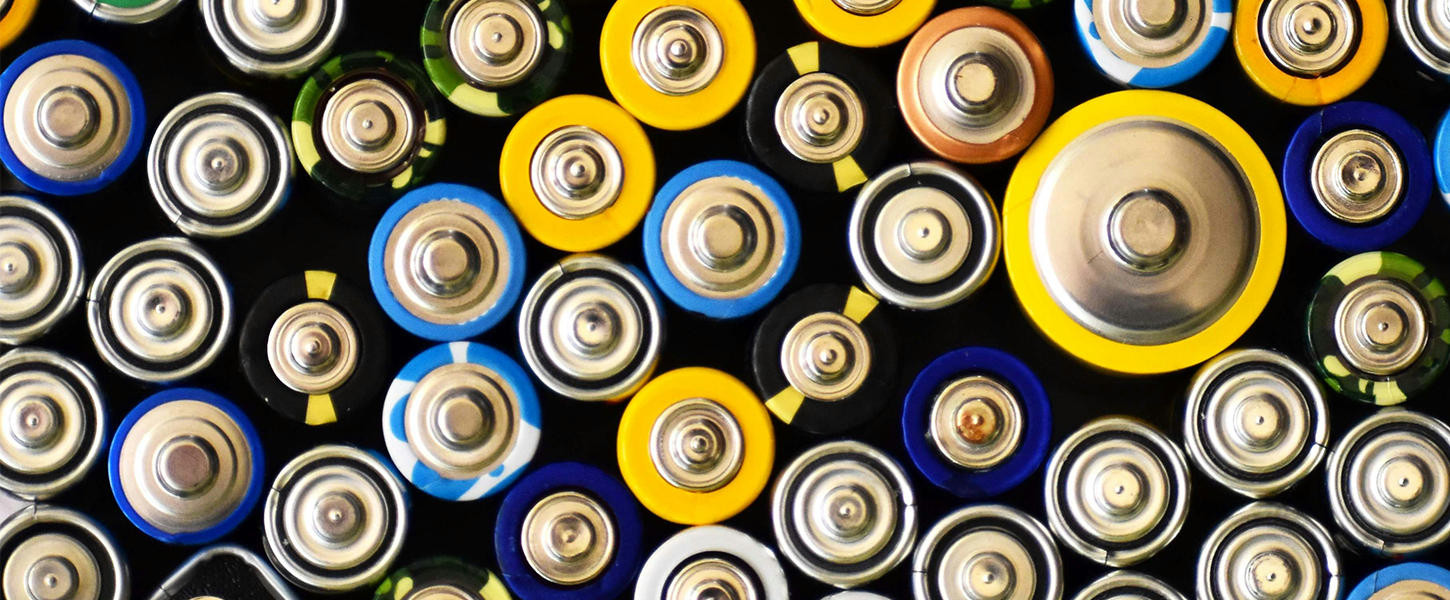
Arvia’s Ellenox™ systems can offer a permanent and easy-to-commission solution for polluted water used in battery recycling.
Wastewater Challenges in Battery Recycling
Chemical Complexity
Battery recycling aims to reclaim valuable metals and components, but the process can generate wastewater laden with complex mixtures of chemicals. This is due to the diverse range of materials and chemistries in different battery types, such as lead-acid, nickel-metal hydride, and lithium-ion batteries.
Inconsistent Waste Streams
Recycling facilities often deal with inconsistent waste streams as batteries of varying types, ages, and states of degradation are processed. This variability complicates the treatment of wastewater, as different contaminants may be present in unpredictable concentrations.
Addressing Challenges with Arvia’s Wastewater Treatment Solution
Arvia’s Ellenox™ systems can offer a permanent and easy-to-commission solution for polluted water used in battery recycling. The lithium batteries contain a wide range of recalcitrant organics, and their Nyex technology can remove over 95% of TOC from the battery wastewater.
This means water reuse in any recycling plant will increase considerably, and water sent to the sewers or watercourses will be well within current environmental limits.
Arvia’s systems can be retrofitted in various positions within a water treatment train and have the benefit of no moving parts and requiring little maintenance. They also have the advantage of not requiring tip-ins of hazardous materials.
Arvia’s Ellenox™ systems can offer a permanent and easy-to-commission solution for polluted water used in battery recycling.
Wastewater Recycling and Reuse
By implementing systems for recycling and reusing treated wastewater, manufacturers and recyclers can significantly reduce their overall water consumption. This not only conserves water resources but also decreases the volume of wastewater requiring treatment.
Regulatory Compliance and Standards
Adhering to stringent environmental regulations and standards is crucial for managing wastewater effectively. Compliance ensures that companies implement best practices and invest in necessary technologies to minimise their environmental impact.
Conclusion
The challenges of managing wastewater in battery manufacturing and recycling are complex but addressable. By employing advanced treatment technologies, recycling wastewater, and adhering to regulatory standards, the industry can mitigate its environmental impact while continuing to meet the growing demand for batteries. Sustainable practices in wastewater management are essential for the long-term viability of the battery industry and the protection of our planet’s ecosystems.
More featured articles
09.1.2025
This article explores the circular society and will discuss the new rules for recycling efficiency and material recovery from waste batteries.
09.15.2025
This article explores the EU Battery Regulation and will discuss the objectives, key provisions and the enforcement of the regulations.
07.7.2021

Why any company that discharges water needs to be ready to be put under the microscope.
Our wastewater treatment expertise
Our water technology can be used to treat a variety of water treatment applications. Once we understand the nature of your wastewater and your final water quality target, our water treatment specialists can make recommendations as to how best to treat your water. Take a look at some of the Nyex applications here:
Need help? Speak with an expert