Articles / Sustainability / Water pollution / Water technology
Industrial Water Week
Industrial Water Week
October 6, 2025
Industrial Water Week
Industrial Water Week is a prominent global event that is held on the first week in October and celebrates industrial water professionals and the work they undertake.
This event serves as a platform to discuss innovative solutions, share knowledge, and foster collaboration to ensure sustainable water use and management across various sectors.
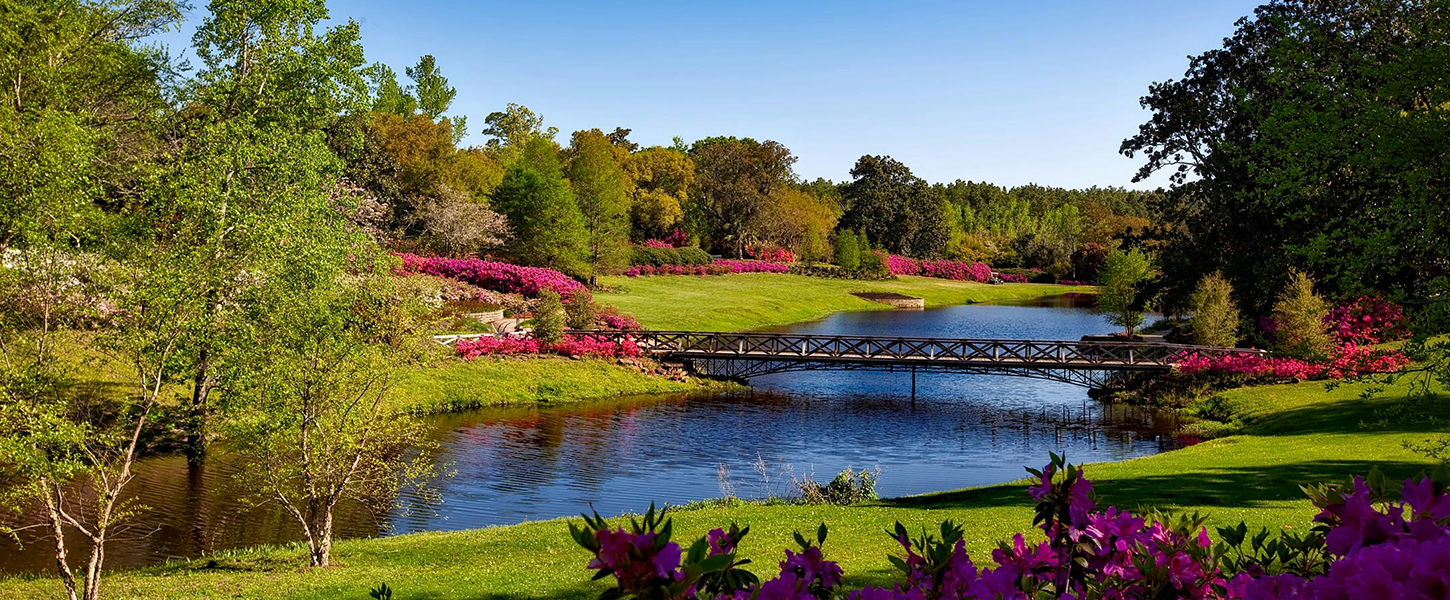
Industrial Water Week is celebrated on the first week of October each year.
Industrial Water Week
Industrial World Water Week is a prominent global event that is celebrated on the first week in October that brings together experts, water industry leaders, policymakers, and stakeholders to address the pressing challenges and opportunities related to water management.
Main Challenges Affecting the Water Industry
Scarcity
Water scarcity is a growing concern worldwide, driven by factors such as population growth, climate change, and increased demand from various sectors. It is crucial to adopt efficient water management practices and invest in infrastructure to mitigate scarcity.
- Water Scarcity: According to Unicef half of the world’s population is expected to live in water-stressed areas.
- Economic Impact: The World Bank estimates that water scarcity, exacerbated by climate change, could cost some regions up to 6% of their GDP by 2050.
- Desalination Growth: Desalination plants, which provide fresh water from seawater, have increased by 57% since 2003.
Pollution
Water pollution remains a significant challenge, affecting both surface and groundwater quality. Industrial discharges, agricultural runoff, and improper waste disposal contribute to the contamination of water resources, posing risks to human health and ecosystems.
- Per- and Polyfluoroalkyl Substances (PFAS).
PFAS are man-made chemicals found in various industrial and consumer products. Known for their persistence in the environment and potential health risks, they are a significant concern for wastewater treatment plants. Efforts are underway to improve detection methods and set stricter discharge limits to mitigate their impact. - Active Pharmaceutical Ingredients (APIs)
APIs from pharmaceuticals can enter wastewater through human excretion and improper disposal of medications. These substances pose risks to aquatic life and potentially human health. Measures are being considered to enhance the removal of APIs during wastewater treatment processes. - Endocrine Disrupting Chemicals (EDCs)
EDCs interfere with hormonal systems and can have significant ecological and health impacts. Efforts include provisions for monitoring and controlling EDCs in wastewater, ensuring that treatment plants are equipped to address these pollutants effectively. - Fertilisers
Nutrient runoff from agriculture, particularly nitrogen and phosphorus, contributes to eutrophication in water bodies. Regulations aim to strengthen controls on nutrient discharges, promoting advanced treatment technologies that reduce such pollutants entering aquatic ecosystems.
Recent Developments in Wastewater Treatment
- Technological Innovations
To tackle the challenges posed by micropollutants, the EU is investing in research and development of advanced treatment technologies. Innovations such as membrane bioreactors, advanced oxidation processes, and nanofiltration are being explored to enhance the removal of these pollutants. - Policy Enhancements
The EU is actively revising existing frameworks to address limitations. This includes setting stricter standards for pollutants, improving monitoring and reporting mechanisms, and encouraging member states to adopt best practices in wastewater management. - Public Awareness and Stakeholder Engagement
Raising public awareness about the importance of proper waste disposal and the impacts of micropollutants on the environment is a priority. The EU encourages collaboration between governments, industries, and the public to foster sustainable practices and compliance with regulations.
Improving Waterways
To enhance the quality and sustainability of waterways, several strategies can be implemented:
- Adopting Integrated Water Resource Management (IWRM): This approach promotes the coordinated development and management of water, land, and related resources to maximise economic and social welfare.
- Adopting Integrated Water Resource Management (IWRM): This approach promotes the coordinated development and management of water, land, and related resources to maximise economic and social welfare.
- Implementing Advanced Treatment Technologies: Utilising modern treatment methods can reduce pollutants and improve water quality.
- Promoting Water Conservation Practices: Encouraging efficient water use in agriculture, industry, and households can significantly reduce water waste.
- Restoring Natural Habitats: Rehabilitating wetlands can enhance biodiversity and improve water filtration
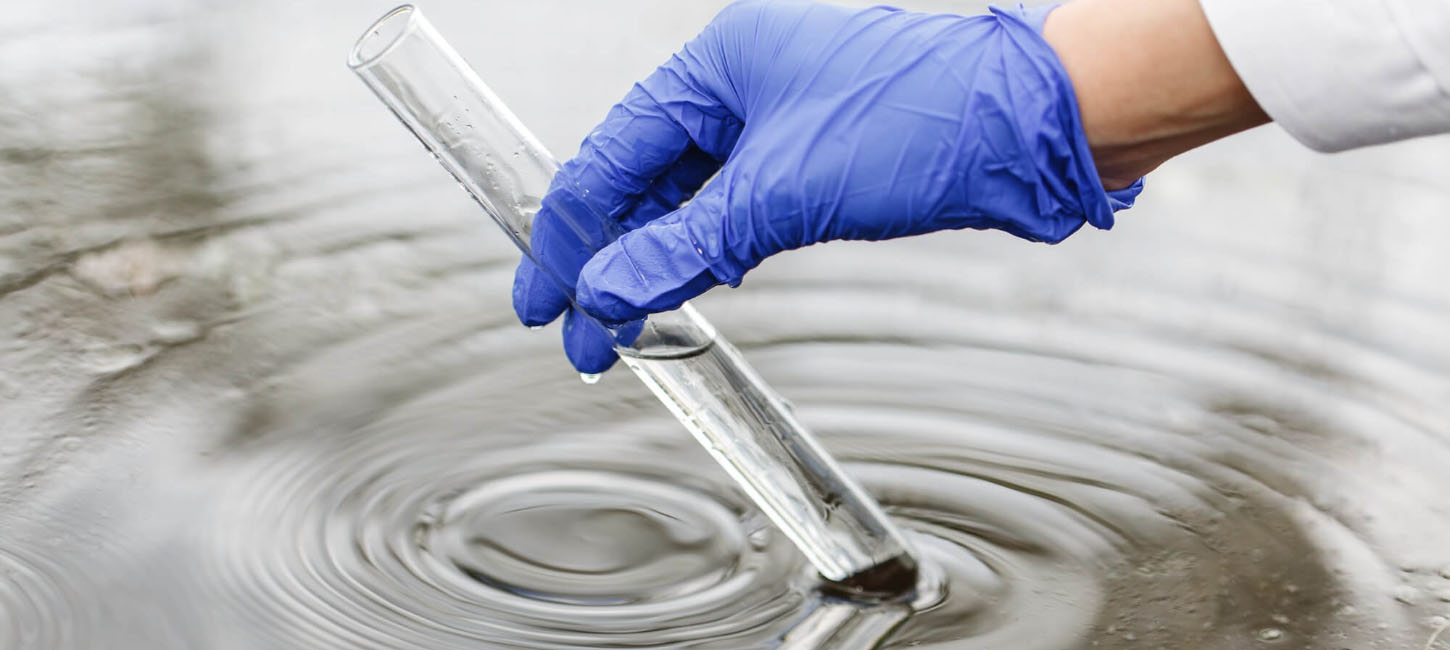
Several strategies can be implemented to enhance the quality and sustainability of waterways.
How Arvia can help
Arvia is one of the world’s leading manufacturers of electrochemical water treatment products. With design, manufacturing, and R&D in the UK, they also have labs in India, a facility in China and have expanded into the US.
Arvia’s treatment systems include Nyex Florenox, Nyex Rosalox and Nyex Ellenox – three revolutionary systems specifically designed for tertiary water treatment.
Our advanced technologies have numerous benefits associated with purifying and reusing water in lithium-ion battery recycling, reducing waste and the environmental footprint. This innovative approach supports the circular economy and aligns with global sustainability goals, making Arvia Technology essential in the shift to a greener future.
Conclusion
Industrial Water Week is a celebration of industrial water professions who design solutions to address the diverse challenges the world faces regarding water resources. The event serves as a reminder of the collective responsibility to protect and preserve our waterways for future generations to ensure that these natural resources remain vibrant and healthy for years to come.